The Persistent Burn
Clinical Vignette
A 28-year-old man presents to the STI clinic with 10 days of persistent dysuria and a mucopurulent urethral discharge that never fully resolved. Twelve days ago, he was evaluated at an urgent care center for the same symptoms and treated empirically with ceftriaxone 500 mg intramuscularly once plus doxycycline 100 mg orally twice daily for 7 days. He completed the full course of doxycycline without interruption. His sexual history is notable for a new partnership approximately 6 weeks ago; his partner is currently asymptomatic and has not been evaluated. He reports no sick contacts, no testicular pain or scrotal swelling, no oral or genital ulcerations, no rash, no fever, and no arthralgias.
On examination, temperature is 36.9 C, heart rate 76/min, blood pressure 118/72 mmHg, and respiratory rate 14/min. Mucous membranes are moist without lesions. There is no lymphadenopathy. Genitourinary examination reveals a thin, mucopurulent urethral discharge without periurethral induration or fluctuance. The testes, epididymides, and prostate are non-tender. There is no rash on the palms, soles, or trunk.
Urethral swab nucleic acid amplification testing for Neisseria gonorrhoeae and Chlamydia trachomatis is negative. Urinalysis shows 8 white blood cells per high-power field with no organisms. Serum HIV antigen-antibody testing is negative.
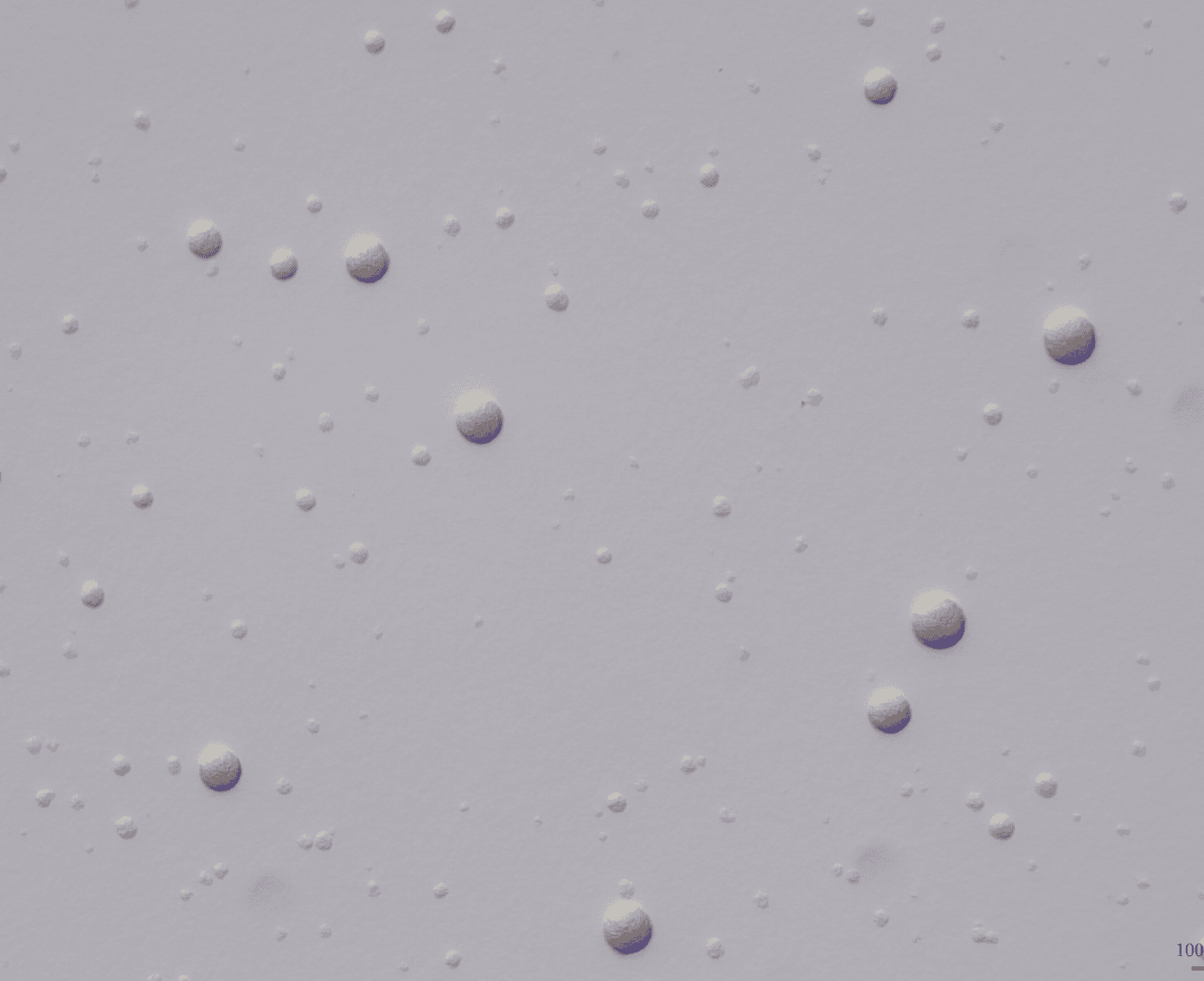
Colonies on SP4 agar, approximately 50–100 μm in diameter, with a granular surface and dense central zone.
Question 1
Which of the following is the most likely cause of this patient's persistent urethritis?
Select one answer to view the rationale and peer response data.
Question 2
Which statement best describes how the FDA-cleared assay detects this organism?
Select one answer to view the rationale and peer response data.
Question 3
Which treatment regimen is most appropriate?
Select one answer to view the rationale and peer response data.
Rationale locked
Answer the question above to reveal the rationale.
Rationale locked
Answer the question above to reveal the rationale.
References
Bachmann LH, Kirkcaldy RD, Geisler WM, et al. Mycoplasma genitalium in the United States: CDC STI Treatment Guidelines, 2021. Sex Transm Dis. 2022;49(8S):S17-S22.
Workowski KA, Bachmann LH, Chan PA, et al. Sexually transmitted infections treatment guidelines, 2021. MMWR Recomm Rep. 2021;70(4):1-187.
Durukan D, Read TRH, Murray G, et al. Resistance-guided antimicrobial therapy for Mycoplasma genitalium infections. Clin Infect Dis. 2020;71(6):1461-1468.
Gaydos CA, Mena LA. Mycoplasma genitalium: an emerging sexually transmitted infection. J Clin Microbiol. 2019;57(11):e01125-19.