Follicles Beneath the Upper Lid
Clinical Vignette
A 7-year-old girl from a remote rural village in Ethiopia is brought to clinic because of months of intermittent bilateral eye redness, tearing, photophobia, and sticky discharge. Several younger siblings have similar symptoms. Her family has limited access to water, lives in a crowded household, and reports frequent flies around the children's faces.
She is afebrile and otherwise well. Visual acuity is preserved. External examination shows mild conjunctival injection and mucoid discharge. When the upper eyelid is everted, the upper tarsal conjunctiva contains multiple pale follicles, each roughly 0.5 mm or larger, with associated papillary inflammation. There is no trichiasis, entropion, or corneal opacity.
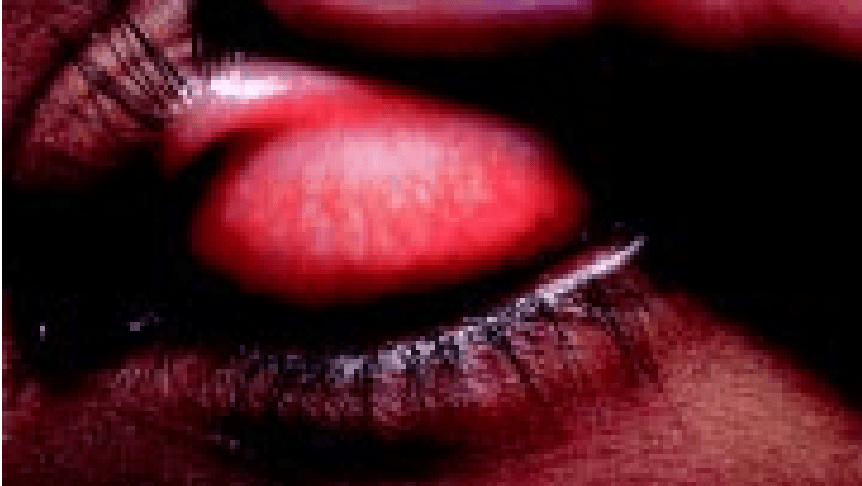
Follicular inflammation of the upper tarsal conjunctiva seen after lid eversion.
Question
What is the most likely diagnosis?
Select one answer to view the rationale and peer response data.
Question 2
A recent district survey found that children aged 1 to 9 years with this same clinical presentation make up about 40% of the surrounding population. Based on this prevalence, which public health approach is most appropriate?
Select one answer to view the rationale and peer response data.
Rationale locked
Answer the question above to reveal the rationale.
Rationale locked
Answer the question above to reveal the rationale.
References
Hu V, Caswell R, Last A, Burton M, Mabey D. Trachoma and Inclusion Conjunctivitis. Hunter's Tropical Medicine and Emerging Infectious Diseases. Chapter 39:421-428.
Negrel AD, Taylor HR, West S. Guidelines for Rapid Assessment for Blinding Trachoma. WHO/PBD/GET/00.8. Geneva: World Health Organization; 2001.
Wright HR, Keeffe JE, Taylor HR. Trachoma and the need for a coordinated community-wide response: a case-based study. PLoS Medicine. 2006;3:186-190.