For residents & trainees
ID Training
A structured Infectious Diseases curriculum for Internal Medicine and Family Medicine residents. Each module pairs learning objectives and key concepts with guidelines, pearls, relevant IDHub cases, and self-assessment questions.
Resident-level ID review organized as short clinical chapters: the question at the bedside, the microbiology behind it, the evidence to read, and the self-check questions that make the reasoning stick.
Antimicrobial Therapy & Resistance
2 modules
Antimicrobials: mechanisms of action
A class-by-class antibacterial mechanism atlas: drug targets, PBP concepts, pharmacodynamics, site limitations, toxicities, and bedside anchors.
Open module →
Antimicrobial resistance mechanisms
A Mandell-style framework for how bacteria evade antimicrobial activity: genetic acquisition, drug inactivation, target changes, bypass, permeability, efflux, biofilm, and clinical resistance phenotypes.
Open module →Antimicrobial & Diagnostic Stewardship
2 modules
Antimicrobial stewardship & spectrum
Stewardship is choosing the right drug, dose, route, and duration — and knowing when not to treat at all. It improves outcomes, limits resistance, reduces C. difficile, and is a core competency for every Internal Medicine resident.
Open module →Diagnostic stewardship
How to choose, interpret, and sometimes avoid infectious diseases tests so results improve care rather than create antibiotic momentum.
Open module →
HIV & Sexually Transmitted Infections
2 modules
HIV infection & opportunistic complications
HIV is now a chronic, manageable disease, and every Internal Medicine resident must know how to diagnose acute and chronic infection, start or confirm first-line antiretroviral therapy (ART), recognize the opportunistic infections that still present late, and counsel on U=U and PrEP. ART is recommended for everyone living with HIV regardless of CD4 count.
Open module →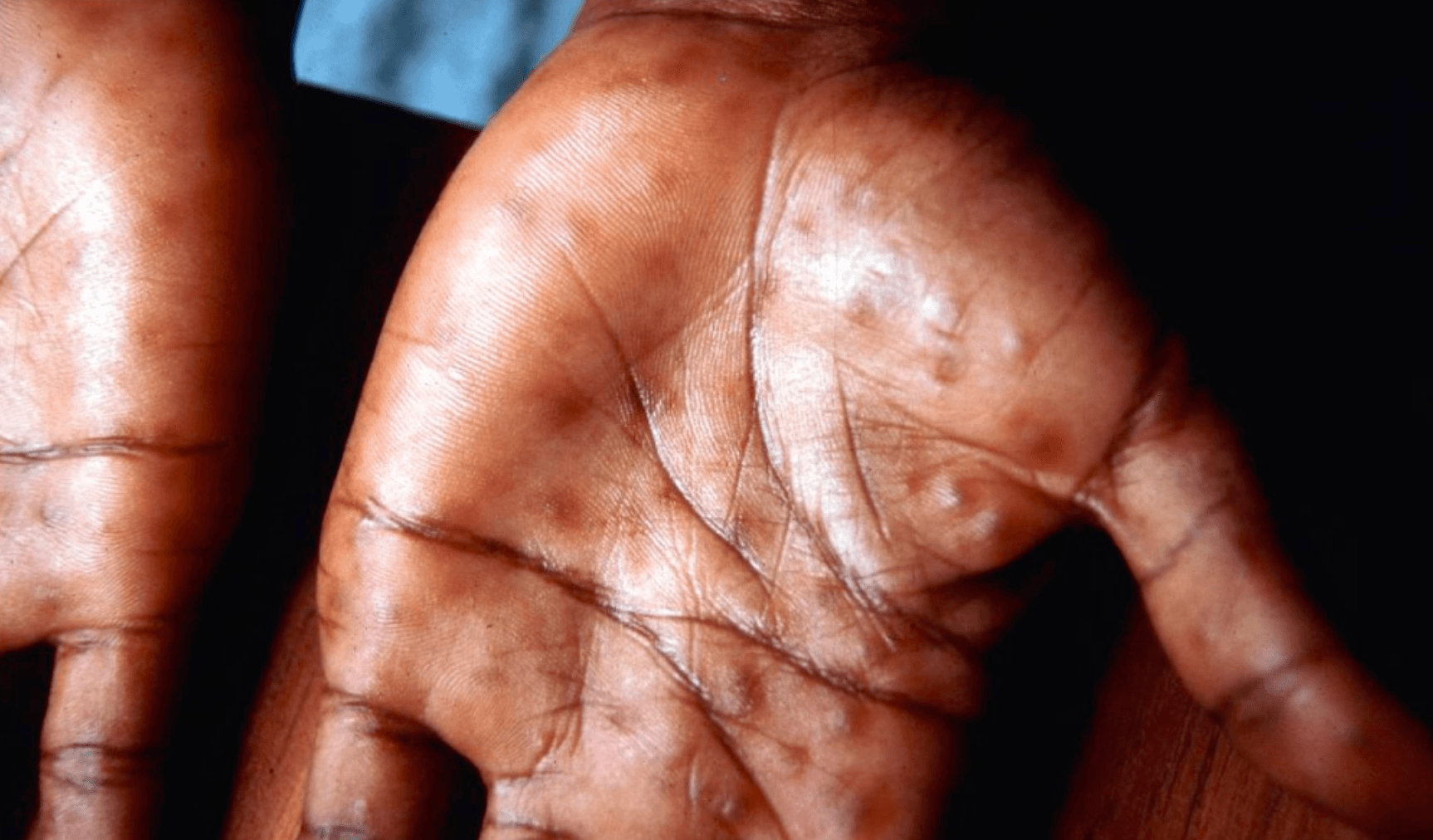
HIV PrEP, syphilis, and sexually transmitted infections
A resident-focused approach to PrEP, syphilis staging and treatment, and common STI diagnostic and management decisions.
Open module →