HistorID
The Mosquito Named Useless
A mosquito genus was given a name that meant useless before anyone knew it would help explain one of history's great killing fevers. Anopheles began as taxonomy. By the end of the 19th century, the word had become part of malaria's machinery.
Anopheles comes from Greek anophelēs, meaning useless, unprofitable, or harmful. The name was coined by Johann Wilhelm Meigen in 1818, long before Ronald Ross's 1897 mosquito dissection tied anopheline mosquitoes to malaria transmission.
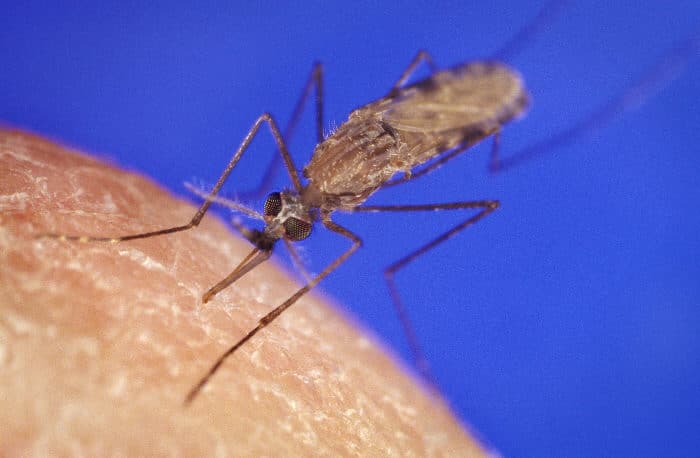
A mosquito genus was given a name that meant useless before anyone knew it would help explain one of history's great killing fevers. In 1818, Johann Wilhelm Meigen placed Anopheles into the tidy world of insect taxonomy. In 1897, Ronald Ross put an anopheline mosquito under the microscope and found malaria pigment staring back at him.
Historical scene
Meigen was not trying to solve malaria. He was classifying flies. His Systematische Beschreibung der bekannten europaeischen zweifluegeligen Insekten was an attempt to bring order to Diptera, the two-winged insects: gnats, midges, flies, and mosquitoes. On page after page, small differences mattered. Wing venation, palps, antennae, posture, and mouthparts turned a nuisance cloud of insects into named genera.
In that world, Anopheles was a taxonomic label, not yet a clinical warning. The word came through New Latin from Greek anophelēs, meaning useless, unprofitable, or harmful. It is built from a negative prefix and ophelos, benefit or advantage. The name sounds almost too neat after the fact, but Meigen coined it decades before anyone had watched malaria develop in a mosquito.
What happened
The meaning changed because the microscope changed what the mosquito could be. On August 20, 1897, Ross dissected what he called a dapple-winged mosquito after it had fed on a patient with malaria. In its stomach wall he saw pigmented bodies that matched the parasite's dark signature. The insect was no longer background annoyance. It was part of the parasite's life cycle.
Ross later called August 20 "Mosquito Day," and the date survived because the observation was so clean in retrospect: a human fever, a blood meal, a mosquito gut, and parasite pigment. The story did not end with Ross. Italian investigators, especially Giovanni Battista Grassi and colleagues, helped confirm the role of anopheline mosquitoes in human malaria transmission. The fever that had once been blamed on marsh air now had a vector with a genus name.
Why it changed infectious diseases
The discovery did more than identify a carrier. It forced malaria into an ecological frame. The question was no longer only who had fever or what parasite was in the blood. It became: which mosquito lives here, where does it breed, when does it bite, and can the chain be broken before a patient exists? Naming the vector made that reasoning portable. Anopheles was not just "mosquito." It was a biologic category with habits, geography, and control implications.
That distinction still matters. WHO describes malaria as transmitted by infected female Anopheles mosquitoes and notes that more than 400 species exist, with about 40 considered important vectors. That is the ID lesson hidden inside a name: genus is not trivia. Aedes pushes the mind toward dengue, Zika, chikungunya, and yellow fever. Culex points toward West Nile and Japanese encephalitis. Anopheles makes malaria rise to the front of the map.
Why the name still matters now
Anopheles is one of those scientific names that became accidentally honest. Meigen's Greek-rooted label meant useless or harmful; later malaria science gave the word a body count. But the more useful lesson is not that the name was ominous. It is that infectious diseases often become controllable only after the right living thing is named precisely enough to be studied, trapped, avoided, or killed.
World Mosquito Day is therefore not really about mosquitoes in general. It is about the moment a vector stopped being scenery. Once Anopheles entered the malaria life cycle, swamps, screens, bed nets, insecticides, housing, drainage, and biting behavior all became medical tools. A small taxonomic word opened a much larger clinical habit: when the pathogen has wings, diagnosis starts outdoors.
References
Meigen JW. Systematische Beschreibung der bekannten europaeischen zweifluegeligen Insekten. Vol 1. Aachen: Friedrich Wilhelm Forstmann; 1818. Entry for Anopheles on page 10.
Wiktionary. Anopheles. Etymology tracing the genus name to New Latin coined by Johann Wilhelm Meigen from Greek anophelēs, useless, unprofitable, or harmful.
Merriam-Webster. Anopheles. Word history: New Latin genus name from Greek anophelēs, useless, from a- plus ophelos, advantage or help.
Institute of Medicine Committee on the Economics of Antimalarial Drugs. A brief history of malaria. In: Saving Lives, Buying Time: Economics of Malaria Drugs in an Age of Resistance. Washington, DC: National Academies Press; 2004.
World Health Organization. Malaria questions and answers. WHO notes that malaria is spread by infected female Anopheles mosquitoes and that around 40 of more than 400 species are known vector species.