HistorID
When Lyme Got Its Spirochete
The first clue was not a spirochete under a microscope. It was a cluster of swollen knees in wooded Connecticut towns, repeating in the same seasons and on the same roads.
Lyme disease shows how infectious diseases are often assembled before they are named: first by patients, geography, seasonality, and vectors, then by the organism itself.
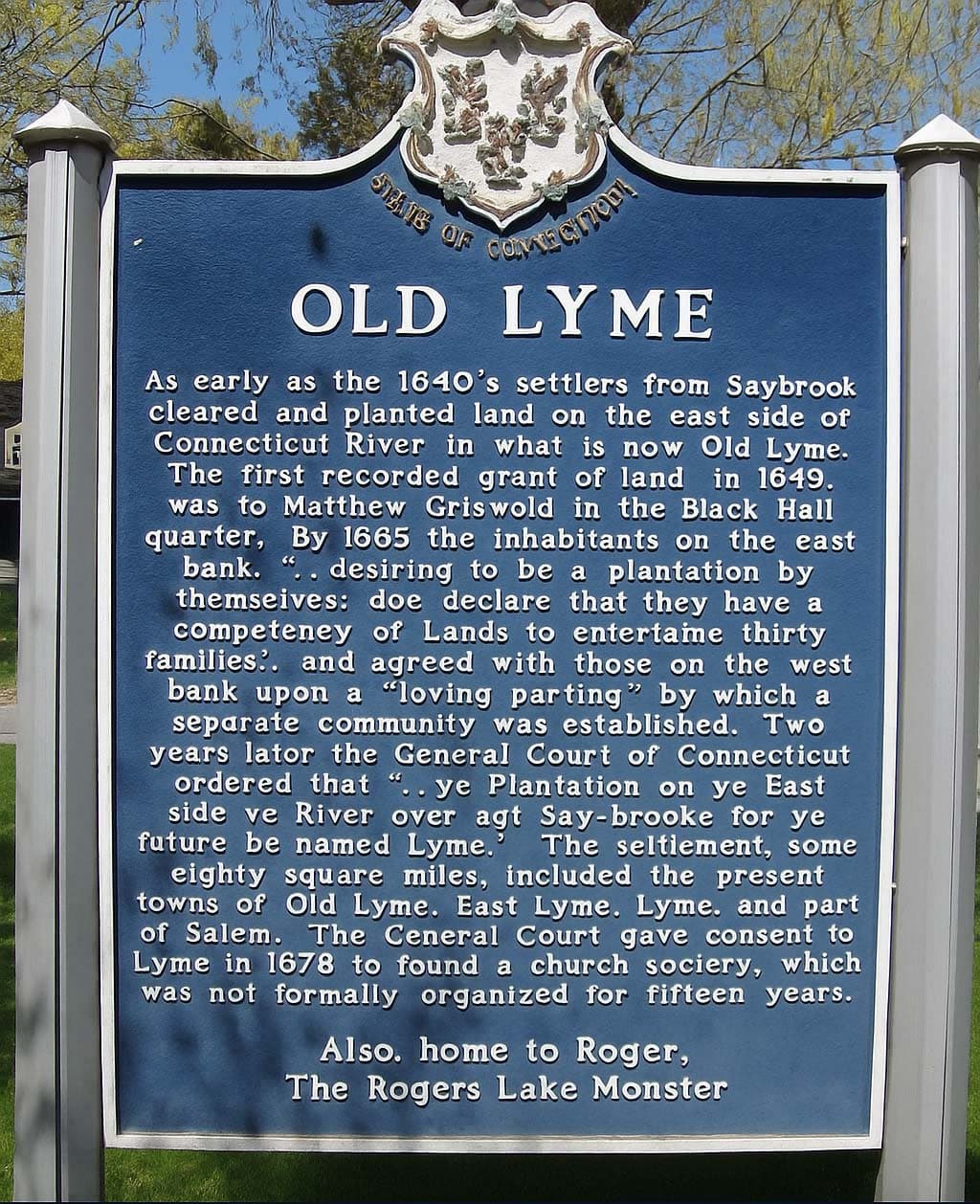
The first clue was not a spirochete under a microscope. It was a cluster of swollen knees in wooded Connecticut towns, repeating in the same seasons and on the same roads. Children and adults around Lyme, Old Lyme, and nearby communities were developing a strange arthritis, often in one or a few large joints. The knees were loud. The microbe was still silent.
The Connecticut cluster
In the mid-1970s, families in eastern Connecticut pushed physicians toward a pattern that did not look like routine juvenile arthritis. The cases clustered tightly by geography. New cases peaked in summer and early fall. Several people in the same family could be affected. Some patients remembered a skin lesion before the joint attacks: an expanding red annular rash that could grow to a remarkable size.
Allen Steere and colleagues described the syndrome in 1977 as Lyme arthritis. Their paper studied 51 residents of three contiguous Connecticut communities, including 39 children and 12 adults. The typical pattern was recurrent asymmetric swelling and pain in a few large joints, especially the knee. Attacks could be brief, separated by long stretches of feeling well, then return months later as if the illness had kept its own calendar.
Epidemiology before the organism
The early work did not begin with a positive culture. In fact, cultures and serologic tests for known causes of arthritis did not solve the problem. What made the syndrome visible was field epidemiology: place, season, clustering, family patterns, and a rash that seemed to precede the arthritis by weeks. The Connecticut investigators suspected an arthropod-borne disease before they knew which organism an arthropod might be carrying.
That sequence matters. Lyme disease was not discovered in one dramatic laboratory instant. It was first traced as a pattern in people living near woods, stone walls, deer, mice, and ticks. The map came before the microbe. The clinical syndrome had a name before the pathogen did.
The tick gives up the clue
The missing piece arrived from vector biology. Willy Burgdorfer, a Swiss-born medical entomologist and microbiologist working at Rocky Mountain Laboratories, was already steeped in tick-borne infections. In 1982, Burgdorfer and colleagues reported a treponema-like spirochete in adult Ixodes dammini, the tick then incriminated as the Lyme vector. Patient sera reacted with the agent by indirect immunofluorescence. Rabbits exposed to infected ticks developed persistent skin lesions.
The paper's title carried the uncertainty and the breakthrough at once: "Lyme disease-a tick-borne spirochetosis?" The question mark was doing honest scientific work. But the direction was clear. The Connecticut syndrome had moved from clustered arthritis to a tick-associated spirochete.
What is Borrelia?
Borrelia are helical spirochetes, bacteria built for motion through viscous environments using internal flagella. The genus name honors Amedee Borrel, a French bacteriologist. The Lyme disease agent was later named Borrelia burgdorferi for Burgdorfer, whose tick work helped expose the organism behind the outbreak pattern.
The tick name has also shifted. The 1982 paper used Ixodes dammini. Modern North American Lyme disease teaching usually refers to the blacklegged tick, Ixodes scapularis, with I. dammini generally treated within that taxonomic story rather than as the everyday name clinicians use now. The history preserves the older label; the clinic uses the newer one.
Why it changed infectious diseases
Lyme disease became a model for how infectious diseases are built from several kinds of evidence. A rash mattered. A map mattered. Seasonality mattered. Tick ecology mattered. Serology mattered. Microscopy and culture mattered. None of those pieces alone was the whole story, but together they turned a regional arthritis mystery into a recognizable vector-borne infection.
Why it still matters
The diagnostic habits from that Connecticut story are still with us. Early Lyme disease can be a clinical diagnosis when erythema migrans is present because antibody tests may lag behind the infection. Later disease depends more on serology, but antibodies reflect the host response, not a direct culture of the organism from a swollen knee. Geography and pretest probability are not decoration around the test; they are part of the test's meaning.
The enduring lesson is not just that Burgdorfer found a spirochete. It is that the spirochete became visible because clinicians, families, epidemiologists, and tick biologists had already drawn the outline of the disease. Lyme was a place before it was a pathogen name.
References
Steere AC, Malawista SE, Snydman DR, et al. Lyme arthritis: an epidemic of oligoarticular arthritis in children and adults in three Connecticut communities. Arthritis Rheum. 1977;20(1):7-17.
Burgdorfer W, Barbour AG, Hayes SF, Benach JL, Grunwaldt E, Davis JP. Lyme disease-a tick-borne spirochetosis? Science. 1982;216(4552):1317-1319.
Barbour AG. Isolation and cultivation of Lyme disease spirochetes. Yale J Biol Med. 1984;57(4):521-525.
LPSN. Genus Borrelia. Entry noting the etymology of Borrelia as named after A. Borrel, a French bacteriologist.
Centers for Disease Control and Prevention. Public Health Image Library, ID 9875: erythema migrans rash associated with Lyme disease.