HistorID
When Fever Looked Like Smoke
Before typhus had a louse, it had a look: a fever patient sunk into a smoky stupor, too ill and clouded to describe what was happening.
Typhus is a name from bedside observation before microbiology. It preserved the mental fog of severe fever, then medicine slowly split that old word into distinct diseases with different pathogens, vectors, and routes of transmission.
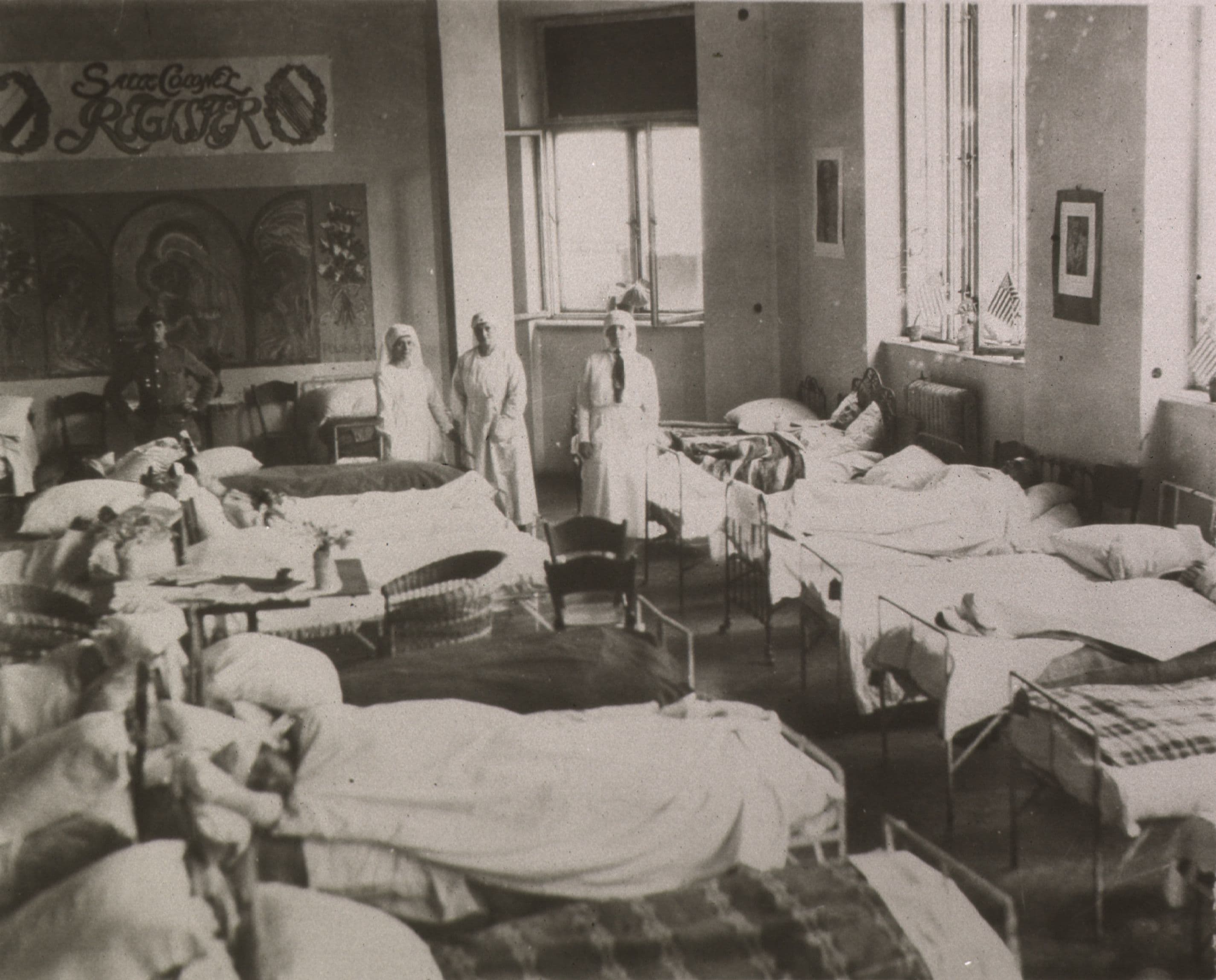
Before typhus had a bacterium, a vector, or a public-health program, it had a face. A patient with high fever lay prostrate, rash spreading, mind dulled into delirium. The room did not need a microscope to know something was wrong. The old word reached for the image people could see: typhos, a smoky haze over the intellect.
Historical scene
The Greek word typhos carried the sense of smoke, mist, fog, or stupor. In medicine it became a way to name the clouded mental state that came with severe fever. That mattered because early physicians were sorting illness by what the body did in front of them: heat, rash, prostration, delirium, bleeding, diarrhea, season, crowding, and place. Long before anyone could culture Salmonella or recognize Rickettsia, the patient's mental fog was one of the disease's most memorable features.
What happened
The word hardened into a disease label in European medicine. By the 18th century, physicians were using typhus for severe epidemic fevers marked by prostration, delirium, and rash. Older names were more geographic or social than microbiologic: jail fever, camp fever, hospital fever, and ship fever. Those names were not poetic extras. They pointed to the places where typhus thrived: crowded rooms, dirty clothing, war, famine, prisons, and armies moving faster than hygiene.
Then came a second confusion. Typhoid meant typhus-like. The name was applied to another prolonged fever with stupor and systemic illness, even though it was a different disease. For a long stretch of medical history, typhus and typhoid were tangled by language because the bedside appearances overlapped before the causes were known. Later clinical-pathologic work and microbiology pulled them apart. Epidemic typhus became a louse-borne rickettsial disease. Typhoid fever became an enteric infection spread through food and water contaminated with human waste.
Why it changed infectious diseases
Typhus is a useful word because it shows how ID language often begins before ID mechanism. The name captured a syndrome first: fever, rash, prostration, and mental clouding. Epidemiology then added its own clues: crowding, clothing, body lice, military campaigns, prisons, and refugee conditions. Microbiology arrived later and made the story sharper. Epidemic typhus is caused by Rickettsia prowazekii and transmitted by infected body lice. Flea-borne or murine typhus is caused by Rickettsia typhi and involves fleas and animal reservoirs. Typhoid fever is caused by Salmonella enterica serovar Typhi and travels by the fecal-oral route.
Why the word still matters
The modern use of typhus is precise, but the older word still teaches a useful habit. Disease names can preserve what clinicians noticed before they knew why it was happening. Sometimes that old observation is wrong about cause but right about pattern. In typhus, the smoke was not in the air. It was in the patient's sensorium. The louse, the flea, the rickettsia, and the waterborne enteric fever came later, after medicine learned to split one feverish haze into different transmission stories.
References
Harper D. Typhus. Online Etymology Dictionary. Entry tracing typhus to Greek typhos, meaning feverish stupor and literally smoke.
Centers for Disease Control and Prevention. About epidemic typhus. CDC; 2024.
Centers for Disease Control and Prevention. About flea-borne typhus. CDC; 2025.
Centers for Disease Control and Prevention. About typhoid fever and paratyphoid fever. CDC; 2024.