HistorID
When Dengue Walked Stiffly
Before dengue had serotypes or NS1, it had a look. Patients hurt so much that the disease seems to have picked up its name from stiffness itself.
Dengue's name came out of bedside medicine. It kept the pain and posture, but the real danger often starts when the fever begins to fall.
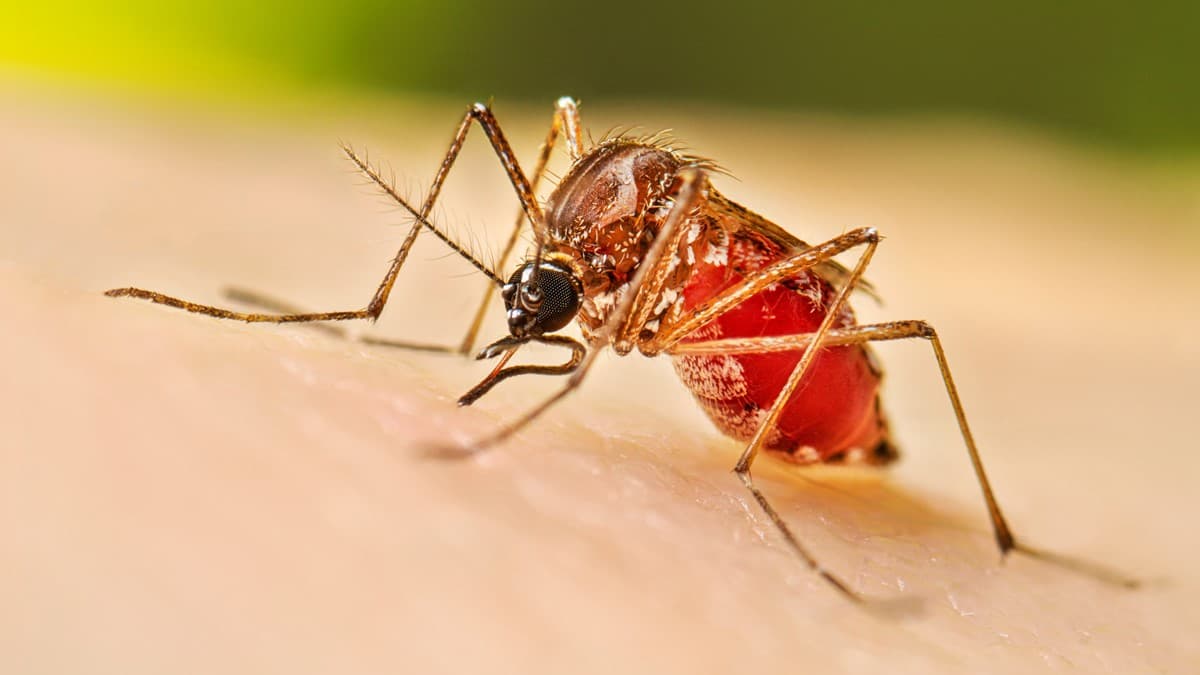
If you met dengue before virology, you probably would not start with the mosquito. You would start with the body in front of you. The fever was abrupt, the pain could be miserable, and people sometimes moved the way anyone moves when everything hurts: carefully, a little stiff, trying not to set off the next jolt. The name seems to have absorbed some of that posture. The exact etymology is messy, which is worth saying out loud. Still, the old explanations keep circling back to the same thing: stiffness, pain, and a patient who did not walk normally.
Historical scene
Late 18th-century dengue traveled through port cities before anyone could describe a flavivirus or point to Aedes aegypti. Outbreaks recognized in 1779 appeared in Cairo and Batavia, and another struck Philadelphia in 1780. This was bedside medicine with no virology to lean on. Physicians named illness by what they could see: fever pattern, rash, prostration, delirium, diarrhea, bleeding, pain, and the way a patient carried themselves from bed to chair and back again.
What happened
Benjamin Rush's famous Philadelphia account gave the illness one of its best surviving old nicknames: break-bone fever. That was blunt, but accurate enough. The word dengue entered English soon after, recorded in 1828 from West Indian Spanish. Most etymology accounts stop there only briefly before the trail gets slippery. A commonly repeated explanation points toward an African source, perhaps Swahili dinga, meaning seizure or cramp, with the final form nudged by Spanish dengue, a word associated with affected stiffness or fastidious bearing. This is one of those medical etymologies that gets repeated more confidently than it deserves. What does hold up is the body logic. However the word settled into place, it stayed close to how the illness looked and felt.
Why it changed infectious diseases
Dengue first lived in medicine as a body story. Pain. Stiffness. A patient who looked miserable trying to move. Later medicine pulled the frame outward. The important questions became where the outbreak was happening, which mosquito was present, how ships and cities were moving people and vectors, and eventually how four related serotypes could keep finding immunologically primed hosts. That shift, from what the patient looked like to how the disease moved through ecology and population, is a big part of modern infectious-disease reasoning.
Why the old name still misleads now
Old dengue language makes pain feel like the whole story. It is not. The modern bedside pearl is crueler than that. Patients often seem to be leaving the febrile phase just as the real danger begins. Around defervescence, usually over the next 24 to 48 hours, capillary permeability can rise, hematocrit can climb, platelets can fall, and the patient who looked bad from pain can become dangerous from plasma leakage. That is the practical reason this naming story still matters. The old word remembers how dengue walked into the room. Good dengue care has to watch what happens when the fever breaks.
References
Harper D. Dengue. Online Etymology Dictionary. Entry tracing English dengue to West Indian Spanish and discussing a possible African source with later Spanish influence.
Encyclopaedia Britannica. Dengue. History section covering the 1779 Cairo and Batavia outbreaks, the 1780 Philadelphia epidemic, and Benjamin Rush's clinical description.
Halstead SB. Dengue. Lancet. 2007;370(9599):1644-1652.
World Health Organization. Dengue: Guidelines for Diagnosis, Treatment, Prevention and Control. New edition. Geneva: WHO; 2009. Clinical management chapter describing the febrile, critical, and recovery phases, including the risk window around defervescence.
Centers for Disease Control and Prevention. About dengue. CDC; updated 22 May 2025.