HistorID
When Consumption Looked Beautiful
Tuberculosis killed millions, but in parts of the 19th century it also acquired an eerie glamour. Pale skin, thinness, flushed cheeks, and fragility could be read not as illness, but as beauty.
This story shows how culture can distort disease perception. Tuberculosis was not only a pathogen; it became an aesthetic and moral narrative that made suffering easier to romanticize and harder to confront honestly.
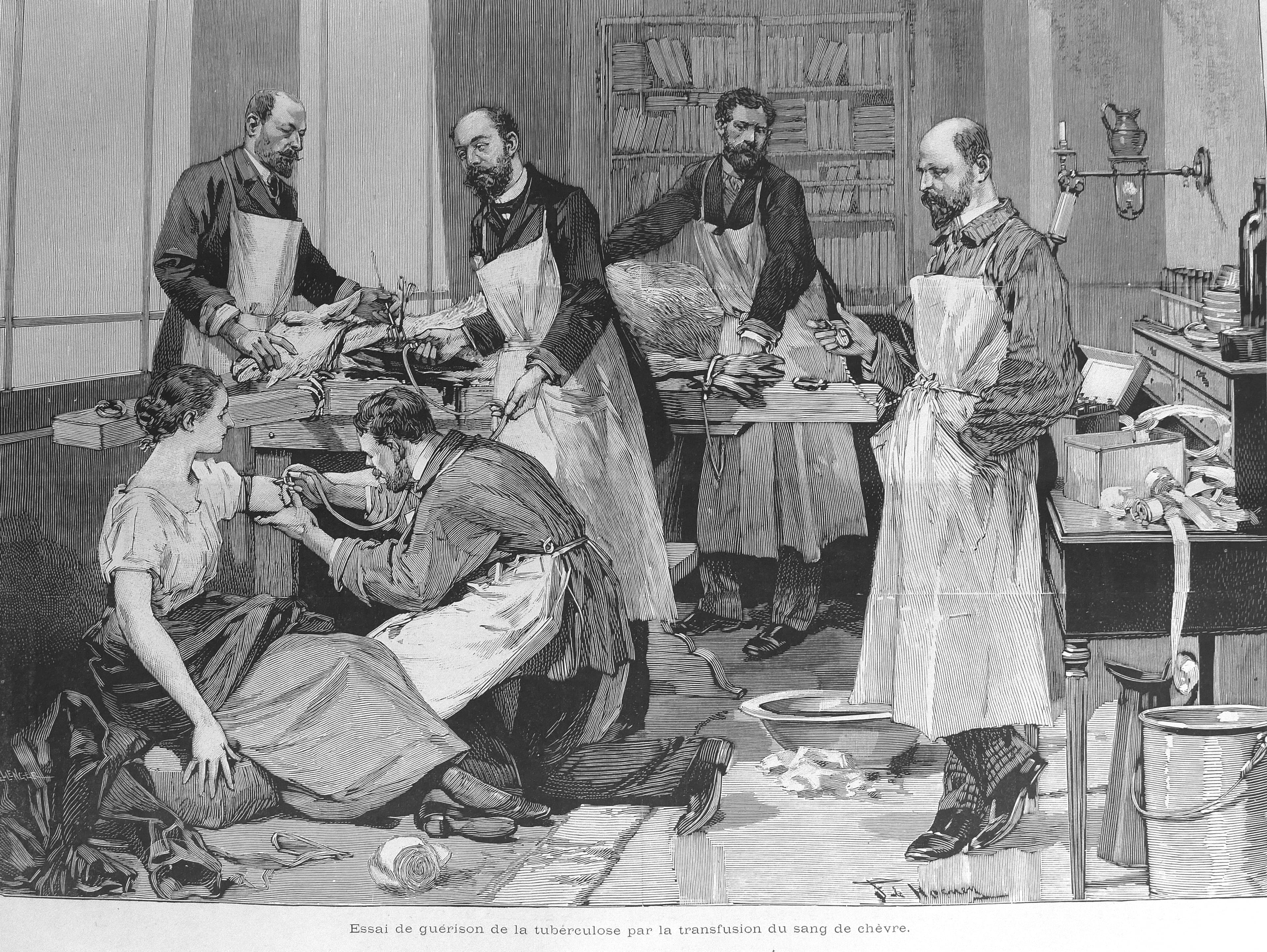
Tuberculosis was one of the great killers of the 19th century, but it was not always spoken of in the language we now expect for a lethal airborne infection. It was often called consumption, a name that already sounded slower, sadder, and more literary. That shift mattered. It let society turn a brutal disease into an atmosphere.
Historical scene
In Europe and North America, tuberculosis became common enough to shape everyday expectations of illness and death. At the same time, romantic culture was busy elevating fragility, melancholy, and artistic suffering. The visual signs of TB, thinness, pallor, bright eyes, intermittent flushing, weakness, could be mistaken, or deliberately recast, as elegance. In that setting, the disease did not just move through lungs. It moved through fashion, novels, opera, and the way people learned to read a body.
What happened
Consumption became attached to a whole cultural script. It could suggest refinement, emotional depth, and even heightened creativity. Figures in literature and performance helped reinforce the idea that wasting away might look almost luminous. That did not mean people were unaware of its danger. It meant danger and desirability had been allowed to coexist in the same image.
Why it changed infectious diseases
TB's cultural life matters because it shows that infectious disease is never interpreted by microbiology alone. Long before antibiotics, societies were already deciding which illnesses looked shameful, which looked noble, and which could be made into metaphors. Tuberculosis was a masterclass in that distortion. It was airborne, contagious, and deadly, yet it was repeatedly softened into style, temperament, or tragic refinement.
Why disease narratives matter
Modern medicine still fights narratives as well as pathogens. Some diseases get minimized because they look familiar, others get stigmatized because of who carries them, and others get wrapped in stories that blur the real harm. Tuberculosis is a warning that culture can romanticize an illness while the organism keeps killing.
References
Sontag S. Illness as Metaphor. Farrar, Straus and Giroux; 1978.
Tuberculosis. Historical and society-and-culture sections. Centers for Disease Control and Prevention.
Lawlor C. Consumption and Literature: The Making of the Romantic Disease. Palgrave Macmillan; 2006.