HistorID
The Yeast That Built the HPV Vaccine
The HPV vaccine did not need whole virus. What it needed was yeast, a capsid protein, and a convincing fake.
This is why the story still belongs in ID. The breakthrough was not just linking HPV to cancer. It was learning how to imitate the virus safely enough for the immune system to learn from the shell without ever meeting the genome.
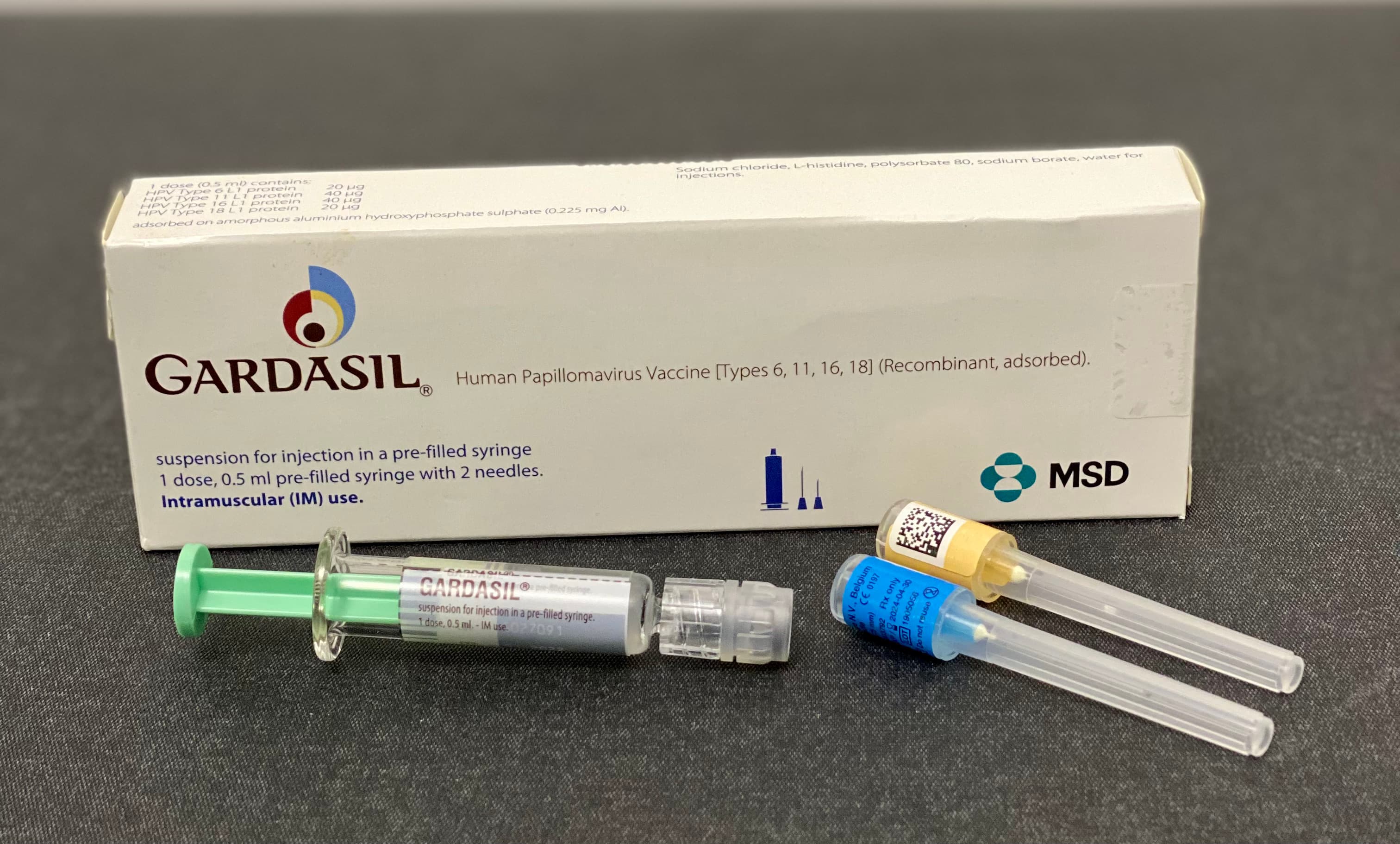
The weirdly elegant part of the HPV vaccine story is that the final product is built around an absence. No whole virus. No viral genome. No infection to replicate. The immune system is shown a shell and taught to remember it. To make that shell at scale, scientists turned to an old, workmanlike organism that had been helping humans ferment and brew for centuries: Saccharomyces cerevisiae.
Historical scene
The first half of the story belongs to causation. Harald zur Hausen pushed the now-transformative claim that certain human papillomaviruses were not just wart viruses but drivers of cervical cancer. That was the conceptual break. Once high-risk HPV types such as HPV-16 and HPV-18 were in view, prevention could stop being only a screening story and start becoming a vaccine story.
But that still left a hard practical problem. How do you build a vaccine against a virus linked to cancer without giving people the virus itself? The answer was to focus on the capsid, specifically the L1 protein, the structural protein that forms the outer shell of the virus.
What happened
Vaccine developers used recombinant DNA technology to insert the relevant genetic instructions into yeast cells. In Gardasil's case, EMA explains it plainly: the purified L1 proteins are made by yeast cells that have been given DNA telling them how to produce those proteins. Once expressed, the L1 proteins self-assemble into virus-like particles, or VLPs.
That phrase, virus-like particles, is the key move in the whole story. The particles look enough like HPV from the outside that the immune system recognizes them as worth responding to. But they are empty. No viral DNA sits inside. They cannot cause infection. In other words, the vaccine wins by being a very persuasive decoy.
Why it changed infectious diseases
The change was bigger than one product. This was infection prevention crossing directly into cancer prevention. It also made structural mimicry feel practical. Instead of relying on whole-pathogen logic, the vaccine used a clean immunologic trick: show the host the shell, not the dangerous core. That is a beautiful piece of microbiology, and it is one reason HPV vaccination became such a powerful public-health intervention.
Why the yeast still matters now
The yeast matters because it keeps the story honest. People often talk about the HPV vaccine as if it simply appeared once the cancer link was accepted. It did not. Someone had to solve the problem of manufacturing a safe viral imitation at scale, and Saccharomyces cerevisiae became part of that answer. The enduring lesson is that vaccine history often turns on platform decisions as much as pathogen discovery. Sometimes the decisive organism in the story is not the virus you fear, but the yeast you recruit to imitate it.
References
The Nobel Prize in Physiology or Medicine 2008. Awarded in part to Harald zur Hausen for his discovery of human papillomaviruses causing cervical cancer.
European Medicines Agency. Gardasil. EPAR summary explaining that the vaccine contains purified L1 proteins produced in yeast cells by recombinant DNA technology and assembled into virus-like particles.
U.S. Food and Drug Administration. Gardasil. Regulatory product page for the recombinant quadrivalent HPV vaccine.
Encyclopaedia Britannica. Human papillomavirus. Overview of HPV biology, cancer link, and vaccine prevention.
Wikimedia Commons. Gardasil photograph.