HistorID
The Vaccine That Moved into the Bladder
Few microbes have had a stranger second job. BCG started as a tuberculosis vaccine and ended up in the urology clinic, being put into the bladder to keep tumors from coming back.
BCG still belongs to infectious-disease history even when it is used against cancer. Its path from TB prevention to bladder therapy shows how a live attenuated microbe can leave its original lane and still bring ID problems with it.
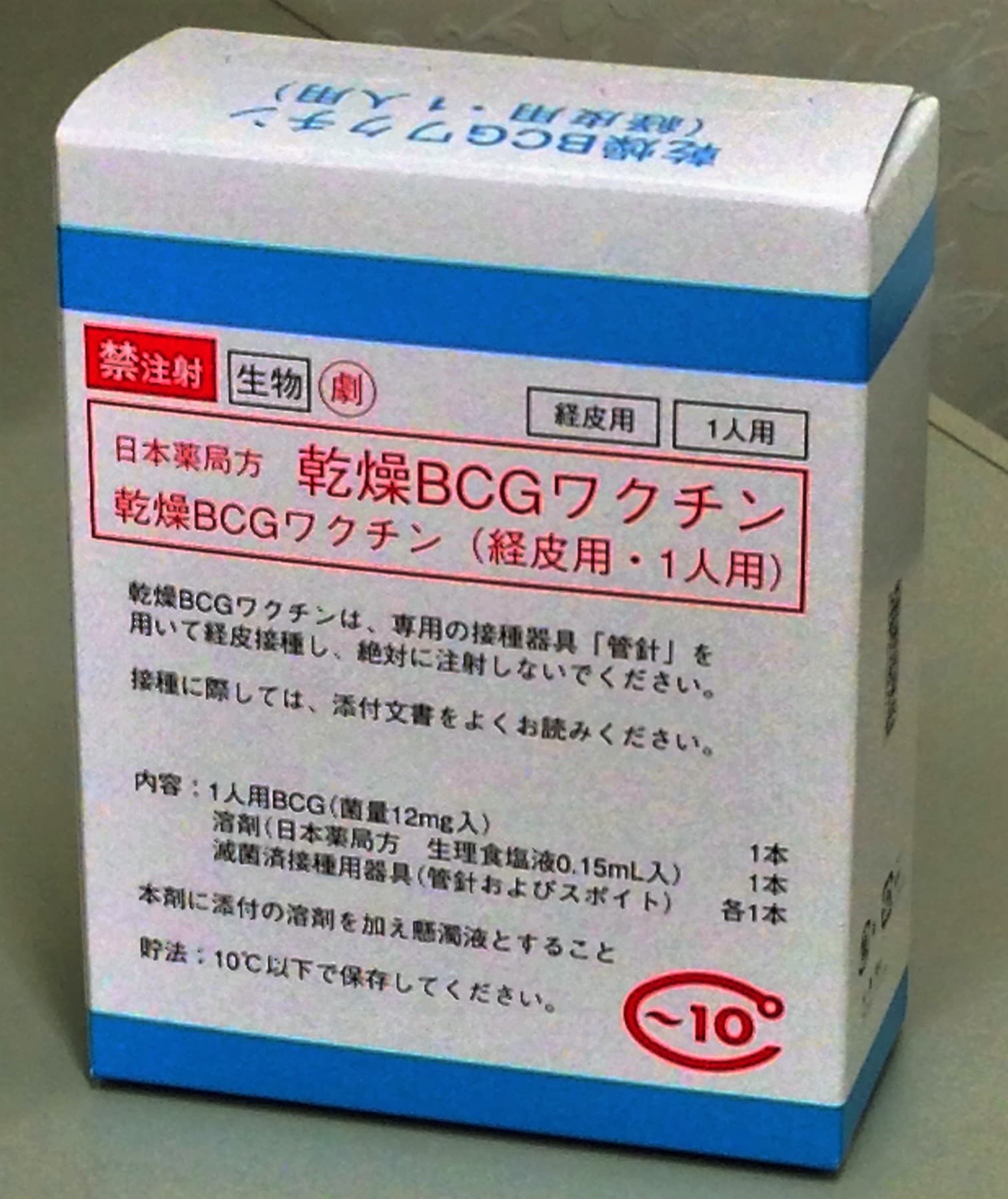
Few microbes have had a stranger career change. BCG began as a tuberculosis vaccine, shaped from an attenuated strain of Mycobacterium bovis. Decades later it showed up in a completely different room, the urology clinic, where clinicians were putting it directly into the bladder to keep tumors from returning. It still sounds a little improbable, which is part of why the story sticks.
Historical scene
The first half of the story belongs to tuberculosis. BCG was developed from M. bovis and first administered to a newborn in Paris in 1921. Over the next century it would become the only licensed tuberculosis vaccine used in humans, with its clearest benefit in protecting children from severe forms of TB. That alone would have been enough to secure its place in infectious-disease history.
But BCG always carried a certain immunologic unruliness with it. It was not an inert product or a neat chemical. It was a live attenuated organism. That made it useful, complicated, and a little harder to keep inside one box.
What happened
In 1976, Alvaro Morales, Dante Eidinger, and A. W. Bruce reported one of the oddest pivots in modern therapeutics. They used Bacillus Calmette-Guerin in patients with recurrent superficial bladder tumors, giving it by the vesical route and pairing it with intradermal administration. Their series was small, just 9 patients, and the language was cautious. But the result was still striking: the recurrence pattern appeared to change in a favorable direction.
That was enough to open a new path. BCG was no longer only a vaccine for tuberculosis. It had become a local cancer immunotherapy, and a durable one. The same organism that had been built to train immunity against TB was now being used to stir immunity inside the bladder.
Why it changed infectious diseases
BCG matters to infectious-disease history because it shows that an ID tool does not always stay in an ID lane. A live attenuated mycobacterium crossed into oncology and stayed there. That is a strange sentence, but it is true. The move also helped prove that microbes could be used not only to prevent infection, but to push the immune system toward an anti-tumor effect.
It also made the border between specialties more porous. Once BCG entered bladder cancer care, infectious-disease clinicians could not treat it as somebody else's organism. The microbe was the therapy, but it could also become the complication.
Why it still matters now
Intravesical BCG remains first-line therapy for treatment-naive non-muscle-invasive bladder cancer and, by one modern review, the only approved microbial immunotherapy for any cancer. That alone would make it memorable. What keeps it interesting for ID is that the old mycobacterial logic never quite disappears. Because BCG is live, localized or disseminated infection can follow treatment. Sometimes the problem looks inflammatory at first. Sometimes it turns out to be true BCG infection much later.
So the story lands in a familiar place after all. The vaccine did move into the bladder, but it never stopped being a mycobacterium. That is why BCG belongs in both oncology history and infectious-disease memory.
References
Lange C, Aaby P, Behr MA, Donald PR, Kaufmann SHE, Netea MG, Mandalakas AM. 100 years of Mycobacterium bovis bacille Calmette-Guerin. Lancet Infect Dis. 2022;22(1):e2-e12.
Morales A, Eidinger D, Bruce AW. Intracavitary Bacillus Calmette-Guerin in the treatment of superficial bladder tumors. J Urol. 1976;116(2):180-183.
Singh AK, Srikrishna G, Bivalacqua TJ, Bishai WR. Recombinant BCGs for tuberculosis and bladder cancer. Vaccine. 2021;39(50):7321-7331.
Centers for Disease Control and Prevention. Bacille Calmette-Guerin (BCG) Vaccine for Tuberculosis. Updated January 31, 2025.