HistorID
The Soil That Changed Tuberculosis
Before streptomycin, tuberculosis care meant sanatoria, collapse therapy, and long stretches of hope that usually ran out before the disease did. Then a soil microbe from New Jersey gave medicine its first real antibiotic shot at TB.
Streptomycin changed ID history twice: it made tuberculosis pharmacologically treatable, and it showed almost immediately how fast resistance can spoil a breakthrough when a single drug has to carry the whole burden.
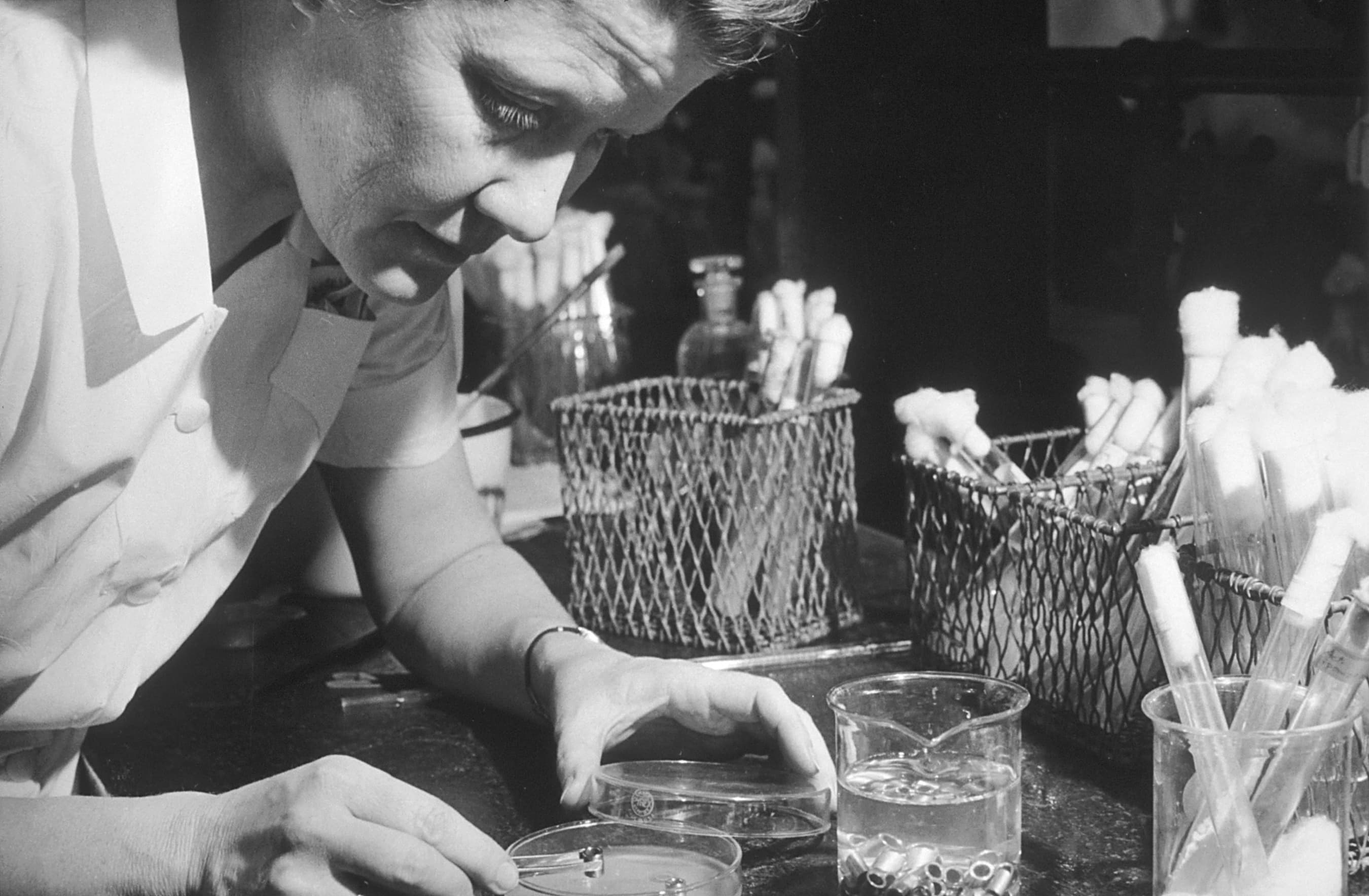
By the early 1940s, tuberculosis was still the bacterial disease that medicine could name, isolate, and dread, but not yet reliably stop. Patients were sent to sanatoria for rest, structure, food, and fresh air. Surgeons sometimes tried to "rest" diseased lungs with collapse therapy. None of it felt like a clean answer. Then a Rutgers lab pulled streptomycin out of a soil organism, and for the first time TB faced an antibiotic that could fight back.
Historical Scene
This was an awkward moment in antibiotic history. Penicillin had already electrified medicine, but it was not the answer to everything, and it was not the answer to tuberculosis. Meanwhile, soil microbiology, once easier to dismiss than celebrate, was becoming newly interesting. Selman Waksman's group at Rutgers had been systematically screening actinomycetes, especially Streptomyces, for antibacterial compounds. The idea was simple enough to sound almost crude: go to the dirt and see what microbes were already using against their neighbors.
What Happened
In 1943, Albert Schatz, a graduate student working in Waksman's lab, isolated streptomycin from Streptomyces griseus. Early reports showed activity against gram-negative bacteria, which already made the compound notable in the penicillin era. What made it historic was its activity against Mycobacterium tuberculosis. It moved from lab bench toward patients quickly because the need was brutal and obvious. The credit fight came later. Waksman received the Nobel Prize, Schatz fought for recognition, and the dispute never really left the story. Still, the medical fact stayed the same: streptomycin emerged from that Rutgers discovery system and changed the direction of TB care.
Why It Changed Infectious Diseases
Streptomycin mattered because it did something earlier antibiotics could not: it gave clinicians a drug that could directly attack tuberculosis. That would have been enough to make it historic. But the story widened fast. In 1948, the British Medical Research Council trial of streptomycin for pulmonary tuberculosis became one of the best-known landmarks in early randomized clinical trial design. The drug did not just reshape therapy for a feared pathogen. It also helped push medicine toward a tougher standard for proving that treatment actually worked.
Why It Still Matters Now
The story does not end with a cure and applause. Resistance to streptomycin appeared quickly when the drug was used alone, and that lesson helped push tuberculosis care toward combination therapy instead of faith in a single miracle agent. That still feels familiar. Antimicrobial discovery can change the game, but the microbe gets a vote, and it does not take long for that vote to show up.
References
Schatz A, Bugie E, Waksman SA. Streptomycin, a substance exhibiting antibiotic activity against gram-positive and gram-negative bacteria. Proc Soc Exp Biol Med. 1944;55(1):66-69.
Jones D, Metzger HJ, Schatz A, Waksman SA. Control of gram-negative bacteria in experimental animals by streptomycin. Science. 1944;100(2588):103-105.
Medical Research Council. Streptomycin treatment of pulmonary tuberculosis. Br Med J. 1948;2(4582):769-782.
Comroe JH. Pay dirt: the story of streptomycin. Part I. From Waksman to Waksman. Am Rev Respir Dis. 1978;117(4):773-781.