HistorID
The RSV Vaccine That Went Wrong
The first major RSV vaccine disaster did not fail because it did nothing. It failed because it seemed to prime children for worse disease when the real virus arrived.
That episode still shapes vaccine design because it taught researchers that an immune response can look strong on paper and still be biologically wrong in the host.
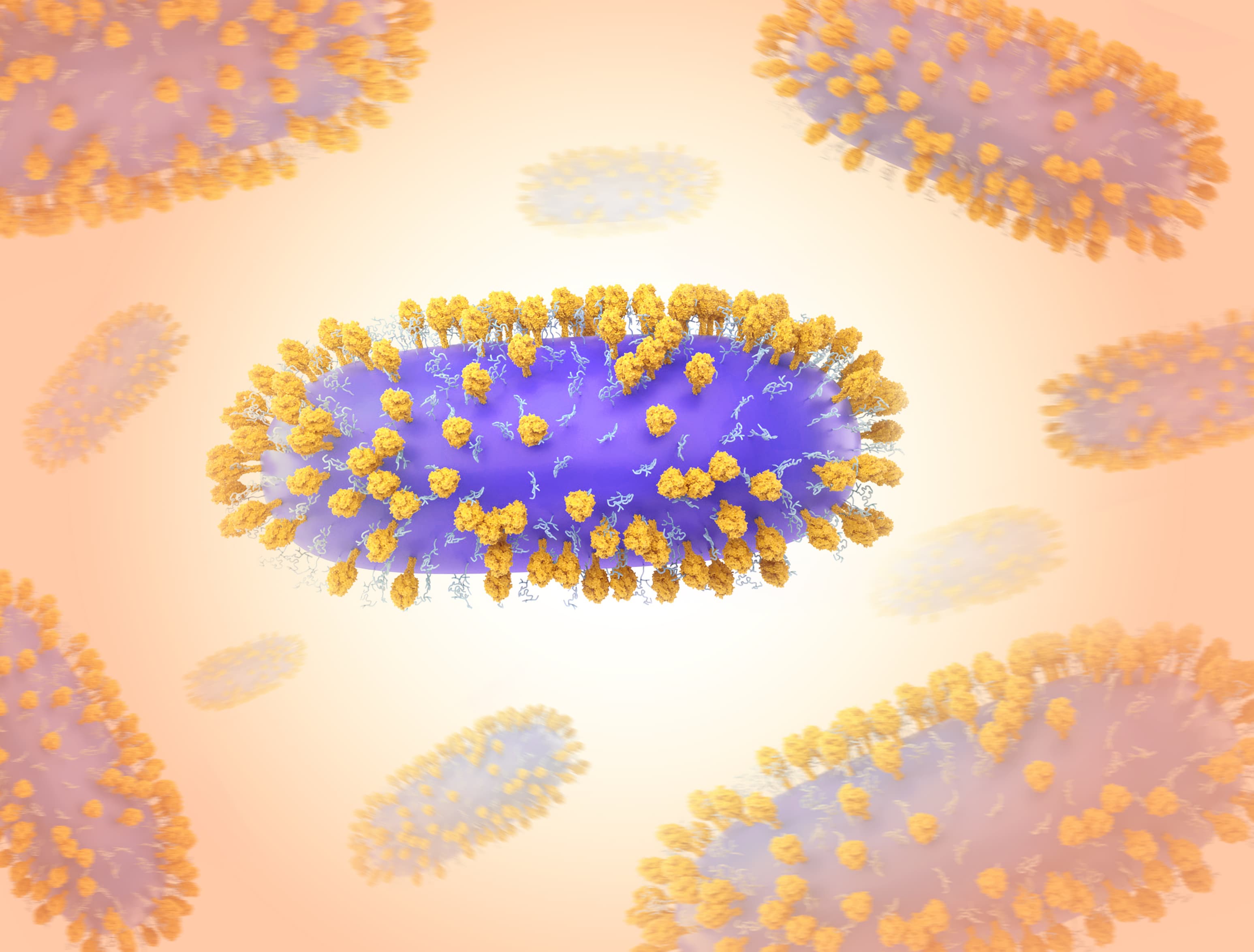
RSV is now familiar enough that it can sound routine, especially outside pediatrics. But the virus has one of the most sobering vaccine histories in modern infectious diseases. In the 1960s, a formalin-inactivated RSV vaccine seemed like a rational path forward. Instead, it became the case everyone still cites when they need to explain why immunogenicity alone is not enough.
Historical scene
RSV was already recognized as a major cause of bronchiolitis and pneumonia in infants, and the incentive to develop a vaccine was obvious. A non-live, inactivated product looked safer and easier to deploy in young children. On paper, the approach made sense. In practice, the immune response it generated turned out to be dangerously incomplete.
What happened
Children who received the formalin-inactivated RSV vaccine later encountered natural RSV in the community. Instead of being protected, some developed unusually severe lower respiratory disease. The vaccine had induced strong binding antibody responses but poor neutralizing activity, and later work suggested an imbalanced immune response that contributed to enhanced pulmonary pathology. The result was not just disappointment. It was harm, including hospitalizations and deaths.
Why it changed infectious diseases
The FI-RSV episode changed vaccine science by forcing a harder question: what kind of immunity are you creating, and what will it do when the host meets the real pathogen? That question now sits at the center of RSV vaccine development and echoes across other viral vaccine programs as well. The lesson was not simply "be careful with RSV." It was that a vaccine can fail by misdirecting the immune system rather than by failing to stimulate it.
What vaccine science carried forward
Modern RSV prevention was built under the shadow of this failure. Every candidate had to answer the same fear: could it prime for enhanced disease again? That is why the 1960s episode keeps its force. It is one of vaccinology's clearest warnings that the immune response you measure is not always the immunity you want.
References
Openshaw PJ, Culley FJ, Olszewska W. Immunopathogenesis of vaccine-enhanced RSV disease. Vaccine. 2001;20 Suppl 1:S27-S31.
Collins PL, Fearns R, Graham BS. Respiratory syncytial virus: virology, reverse genetics, and pathogenesis of disease. Curr Top Microbiol Immunol. 2013;372:3-38.
Kim HW, Canchola JG, Brandt CD, et al. Respiratory syncytial virus disease in infants despite prior administration of antigenic inactivated vaccine. Am J Epidemiol. 1969;89(4):422-434.