HistorID
The Mother Who Brought Smallpox Inoculation Home
Before inoculation became military policy or royal fashion, it was a mother's decision. Lady Mary Wortley Montagu saw Ottoman smallpox variolation, chose it for her own child, and brought that risky idea back to England.
This story still belongs in ID because prevention usually lives in the same tense place: between evidence, fear, timing, and trust. Variolation was risky, but smallpox was worse.
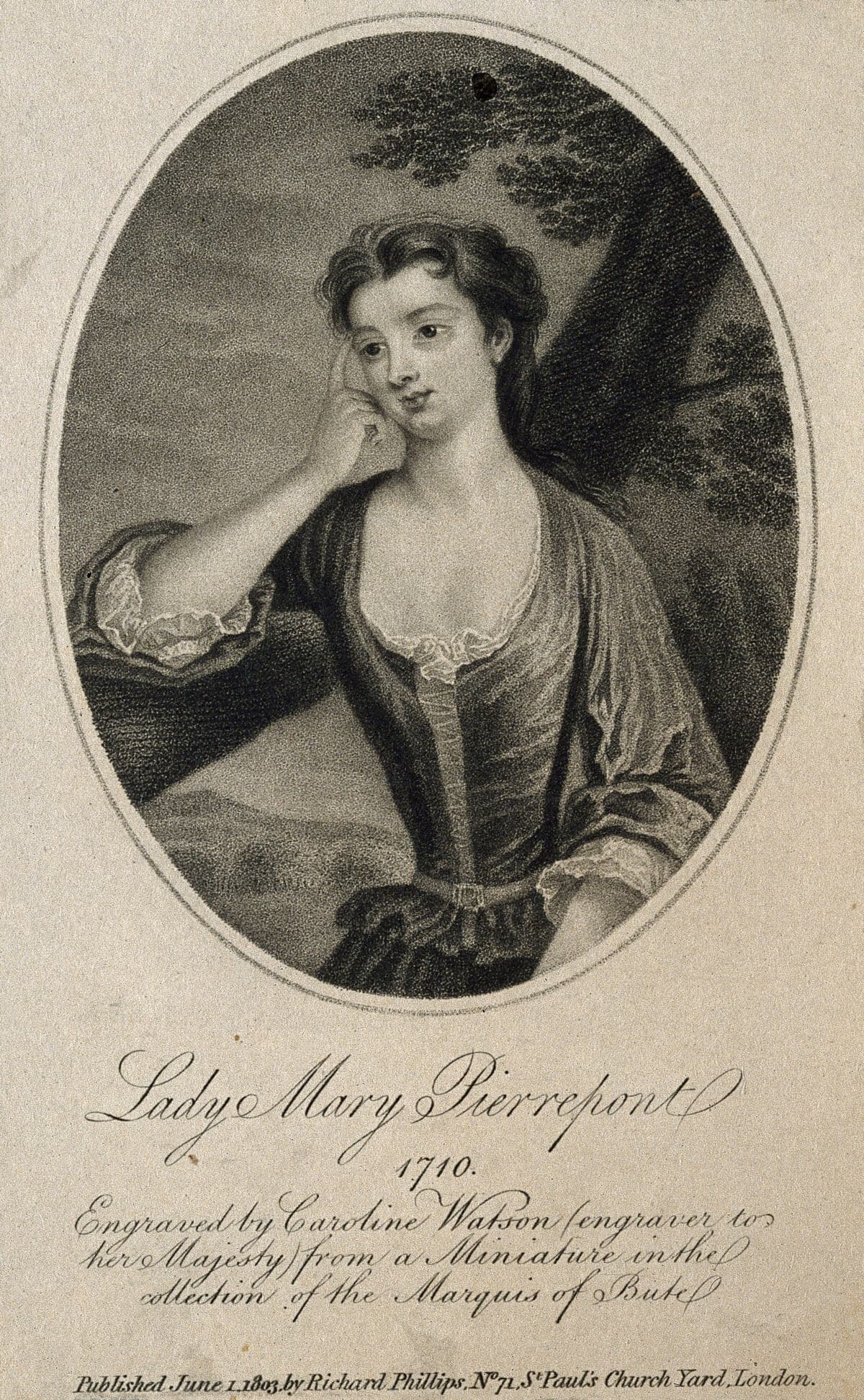
Smallpox had already made this personal. Lady Mary Wortley Montagu was an English aristocrat, writer, and diplomat's wife, living in Constantinople when she encountered Ottoman inoculation practices firsthand. She had already watched smallpox kill her brother, and when it came for her, it left her alive but scarred. So when she saw women quietly using variolation to blunt the disease, she did not treat it as an exotic curiosity. She looked at it like a mother looking at risk.
Historical scene
Early 18th-century smallpox was not an abstract public-health problem. It moved through homes, courts, nurseries, and city streets with a reputation everyone understood. It killed many, disfigured many more, and left families making ugly calculations long before anyone had a clean modern language for risk reduction. Lady Mary was in the Ottoman Empire because her husband, Edward Wortley Montagu, had been appointed British ambassador. During that stay, she heard about a local practice often called engrafting or inoculation, what we now call variolation: taking material from a smallpox lesion and introducing it deliberately in controlled fashion in hopes of producing a milder case.
What happened
Lady Mary did not just admire the idea from a distance. In 1718, while still in Constantinople, she had her young son Edward variolated by the surgeon Charles Maitland. That is the point where the story stops being interesting travel observation and becomes commitment. She was not importing gossip from abroad. She was trusting the procedure with her own child.
Back in England, she kept pressing the case. When smallpox rose again in 1721, she had her daughter inoculated in London and made sure influential witnesses saw the result. The practice still frightened many physicians and much of the public. Some mistrusted its Ottoman origins. Some feared the deliberate creation of disease. Some blurred it with reckless experimentation. Lady Mary pushed anyway, because she knew what uncontrolled smallpox looked like.
Why it changed infectious diseases
The importance of the story is not that variolation was perfect. It was not. It could still cause serious disease and could still spread infection. What changed ID history was the logic underneath it: a controlled, chosen exposure could be better than waiting for the wild pathogen. That was a major preventive shift. It also matters that the knowledge did not arise inside elite British medicine and then move outward. Lady Mary saw a working practice in the Ottoman world, recognized its value, and helped force British society to take it seriously.
Why the mother's choice still matters
This story still feels current because prevention rarely arrives as pure certainty. It arrives as a decision made under pressure: the disease is real, the intervention is imperfect, the evidence is contested, and somebody still has to choose for a child. Lady Mary's world called that choice inoculation. We would call it a risk tradeoff. The shape of the problem has not changed as much as we like to think.
References
Encyclopaedia Britannica. Lady Mary Wortley Montagu. Biography noting her severe smallpox illness and her role in pioneering inoculation in England after observing the practice in Turkey.
Willett J. Lady Mary Wortley Montagu and Her Campaign Against Smallpox. Historic UK. Includes details on her son's inoculation in Constantinople, her daughter's inoculation in England, and Charles Maitland's role.
Grundy I. Montagu's variolation. Endeavour. 2000;24(1):4-7.
Weiss RA, Esparza J. The prevention and eradication of smallpox: a commentary on Sloane (1755) "An account of inoculation". Philos Trans R Soc Lond B Biol Sci. 2015;370(1666):20140378.
Wellcome Collection. Lady Mary Wortley Montagu. Stipple engraving by Caroline Watson, 1803.