HistorID
The Map That Rewired Epidemiology
When cholera ripped through Soho in 1854, John Snow did not have a microscope result that could settle the argument. He had addresses, deaths, a water pump, and a stubborn idea that the disease was moving through water rather than air.
Snow's cholera work showed that careful pattern recognition can outrun incomplete microbiology. In ID, a strong field hypothesis can arrive before the lab catches up.
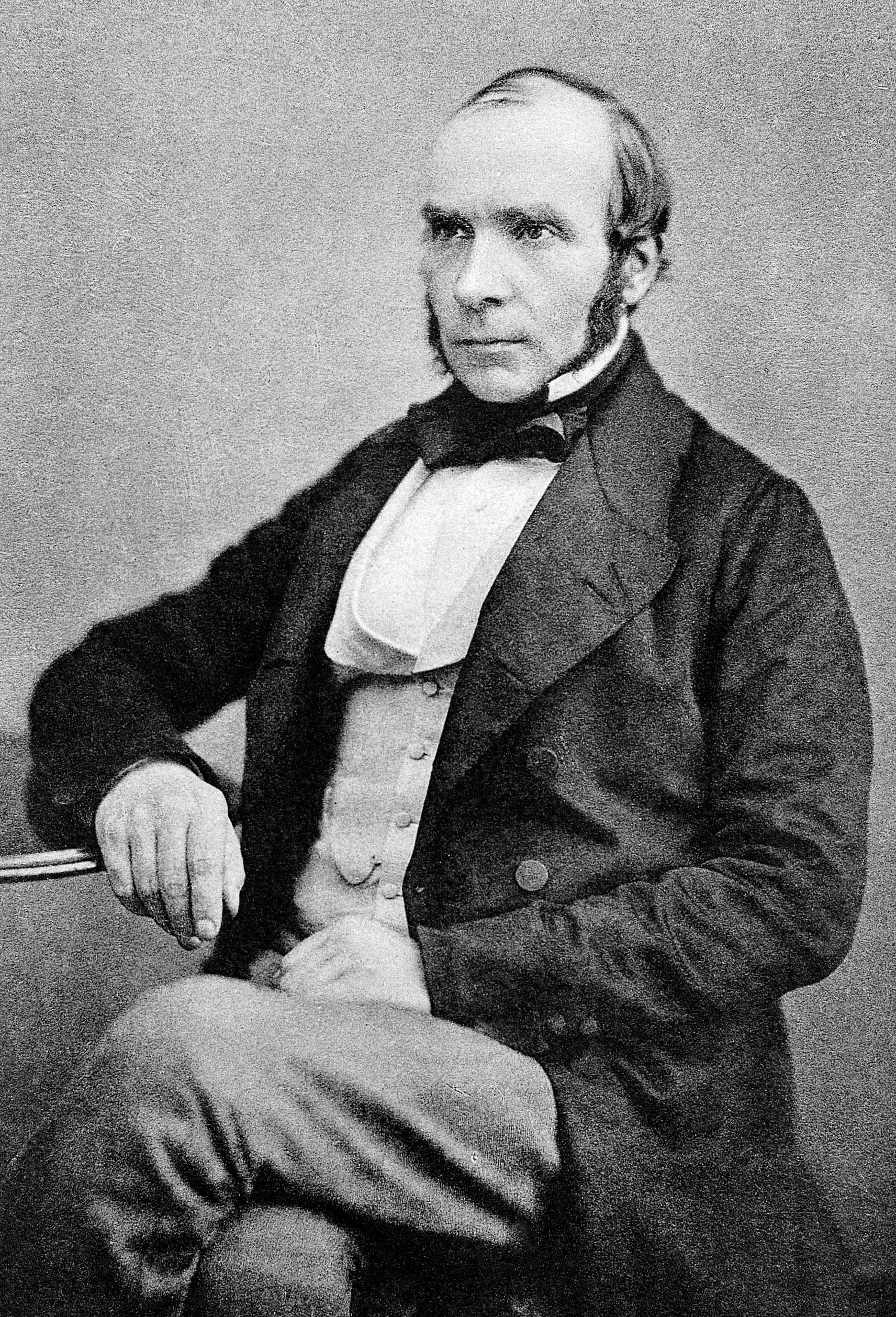
John Snow's cholera work is famous enough that it sometimes turns into a fable: one doctor, one map, one pump handle, problem solved. The real story is better. Snow was working in a city thick with sewage, competing theories, and institutional resistance. He did not yet have the bacterium in hand. What he had was a better way of asking where disease was moving and what it was moving through.
Historical scene
Mid-19th-century London was crowded, foul, and badly served by sanitation. Cholera moved through districts that already smelled terrible, which made miasma theory feel plausible to many officials and physicians. Snow doubted that explanation. He suspected that the critical exposure was swallowed, not inhaled, and that water had to be taken more seriously as the vehicle of disease.
What happened
During the 1854 outbreak near Broad Street in Soho, Snow gathered addresses and deaths and mapped where cases clustered. The pattern pointed sharply toward one public pump. He also paid attention to exceptions: people who lived nearby but did not drink from the pump, and settings like the brewery where workers consumed beer instead of local water. Snow brought the evidence to local authorities, who removed the pump handle. The outbreak was already declining, but the argument had been made in a way people could not easily dismiss.
Why it changed infectious diseases
Snow's work changed ID history because it showed that outbreak investigation could be built from geography, exposure patterns, and denominator thinking rather than from symptoms alone. He also compared water companies and demonstrated a stark mortality difference tied to water source, which made the logic larger than one Soho street. This was not just an anecdote about a pump. It was a method for turning scattered illness into an argument about transmission.
Why Snow's method endures
Outbreak teams still work in that same gap between suspicion and proof. Pattern, clustering, exposure contrast, and the right comparison group can move action forward before the lab finishes the argument. The Broad Street map was not a ceremonial origin story; it was a working template.
References
Snow J. On the Mode of Communication of Cholera. 2nd ed. London: John Churchill; 1855.
Brody H, Rip MR, Vinten-Johansen P, Paneth N, Rachman S. Map-making and myth-making in Broad Street: the London cholera epidemic, 1854. Lancet. 2000;356(9223):64-68.
Paneth N, Vinten-Johansen P, Brody H, Rip M. A rivalry of foulness: official and unofficial investigations of the London cholera epidemic of 1854. Am J Public Health. 1998;88(10):1545-1553.