HistorID
The Hotel Outbreak That Named a Pathogen
A convention of American Legion members checked into a grand Philadelphia hotel, and some never made it home. The illness looked like severe pneumonia, but for months nobody could say what had caused it.
Legionella changed outbreak medicine by making one point impossible to ignore: the built environment can behave like a reservoir, and a hotel cooling system can matter as much as any exposure history at the bedside.
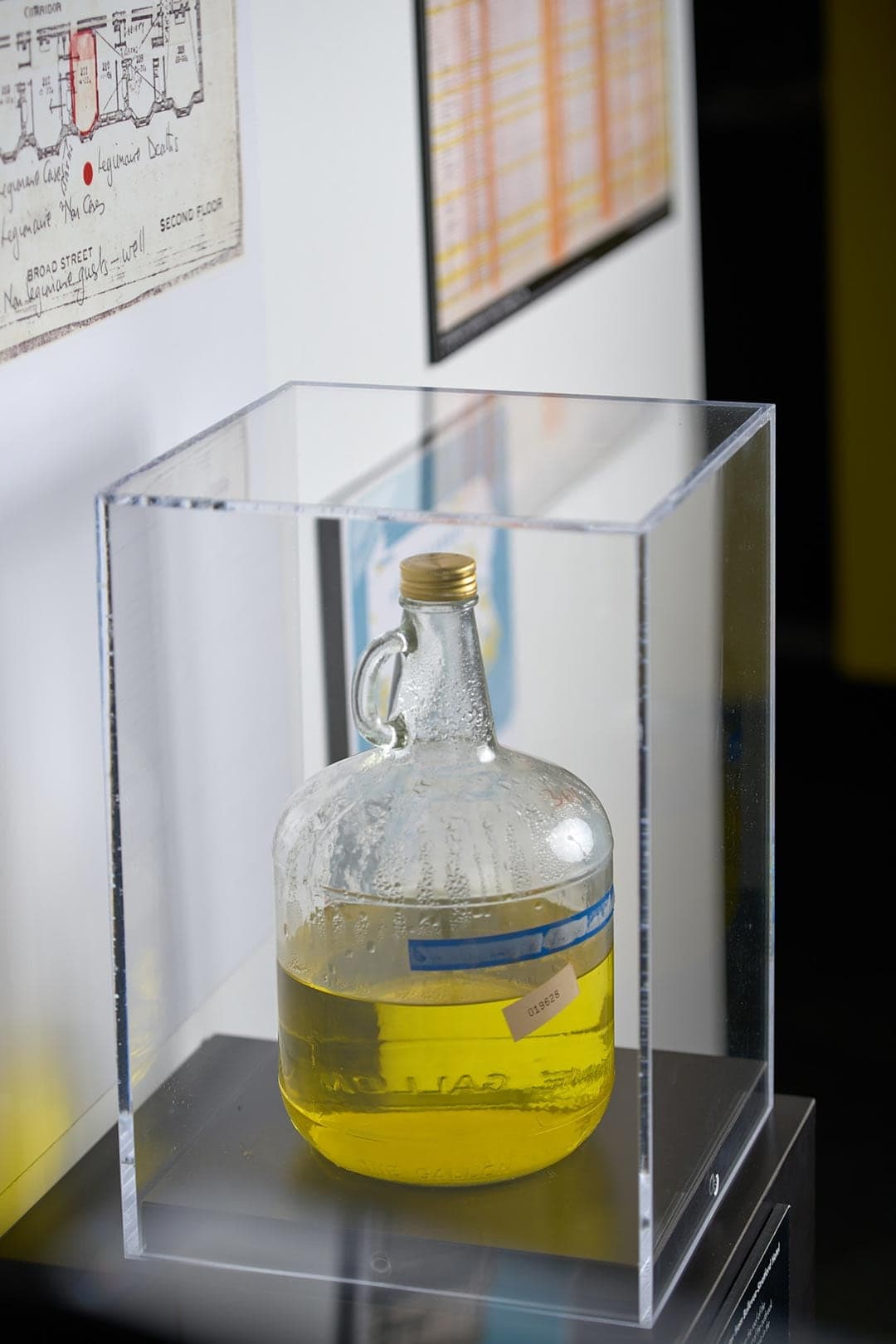
In July 1976, members of the American Legion gathered at the Bellevue-Stratford Hotel in Philadelphia. Soon after the convention, people started showing up with high fever, respiratory failure, and a pneumonia bad enough to scare clinicians and public-health teams at the same time. The victims were mostly older men, many of them veterans, which only made the story more visible and more unsettling.
Historical scene
This was the post-Vietnam, post-Watergate United States, a moment when suspicion came easily. The outbreak landed in the middle of a national bicentennial summer and quickly became a media obsession. Toxic exposure, swine flu vaccine fallout, bioterror, and cover-up theories all had room to grow because the obvious answer was missing: no known pathogen fit cleanly, and the hotel itself looked more like a setting for diplomacy than for a new infectious disease.
What happened
Investigators eventually traced the cluster to the hotel environment and, after months of work, isolated a previously unrecognized bacterium from clinical and environmental material. The organism was later named Legionella pneumophila. What made the story especially important was not just that a new bacterium had been found. It was where it had been living: in warm water systems tied to aerosol generation. The modern building itself had become the exposure source.
Why it changed infectious diseases
Legionnaires' disease pushed outbreak thinking beyond people, food, and animals and deeper into infrastructure. Water systems, cooling towers, plumbing design, and aerosolized mist had to be taken seriously as infectious-disease terrain. The outbreak also helped show why some pathogens keep slipping past routine culture logic: Legionella was fastidious, intracellular, and environmentally adapted. Once it entered the picture, clinicians had to add travel, hotels, hospitals, and built-water exposure to the pneumonia history in a much more deliberate way.
Why buildings still make outbreaks
Legionella keeps this outbreak from becoming museum history. Severe pneumonia linked to cooling towers, plumbing systems, hospitals, cruise ships, and travel settings still forces the same question: not only who is sick, but what piece of the environment is doing the transmitting.
References
Fraser DW, Tsai TR, Orenstein W, et al. Legionnaires' disease: description of an epidemic of pneumonia. N Engl J Med. 1977;297(22):1189-1197.
McDade JE, Shepard CC, Fraser DW, Tsai TR, Redus MA, Dowdle WR. Legionnaires' disease: isolation of a bacterium and demonstration of its role in other respiratory disease. N Engl J Med. 1977;297(22):1197-1203.
Viasus D, Gaia V, Manzur-Barbur C, Carratala J. Legionnaires' disease: update on diagnosis and treatment. Infect Dis Ther. 2022;11(3):973-986.