HistorID
The General Who Inoculated an Army
Washington worried that smallpox could do what the British might not: break the army without winning a battle. His answer was a military medical gamble as much as a strategic one.
Washington's inoculation order framed infection control as command responsibility. He was not just protecting individual soldiers; he was protecting force survival.
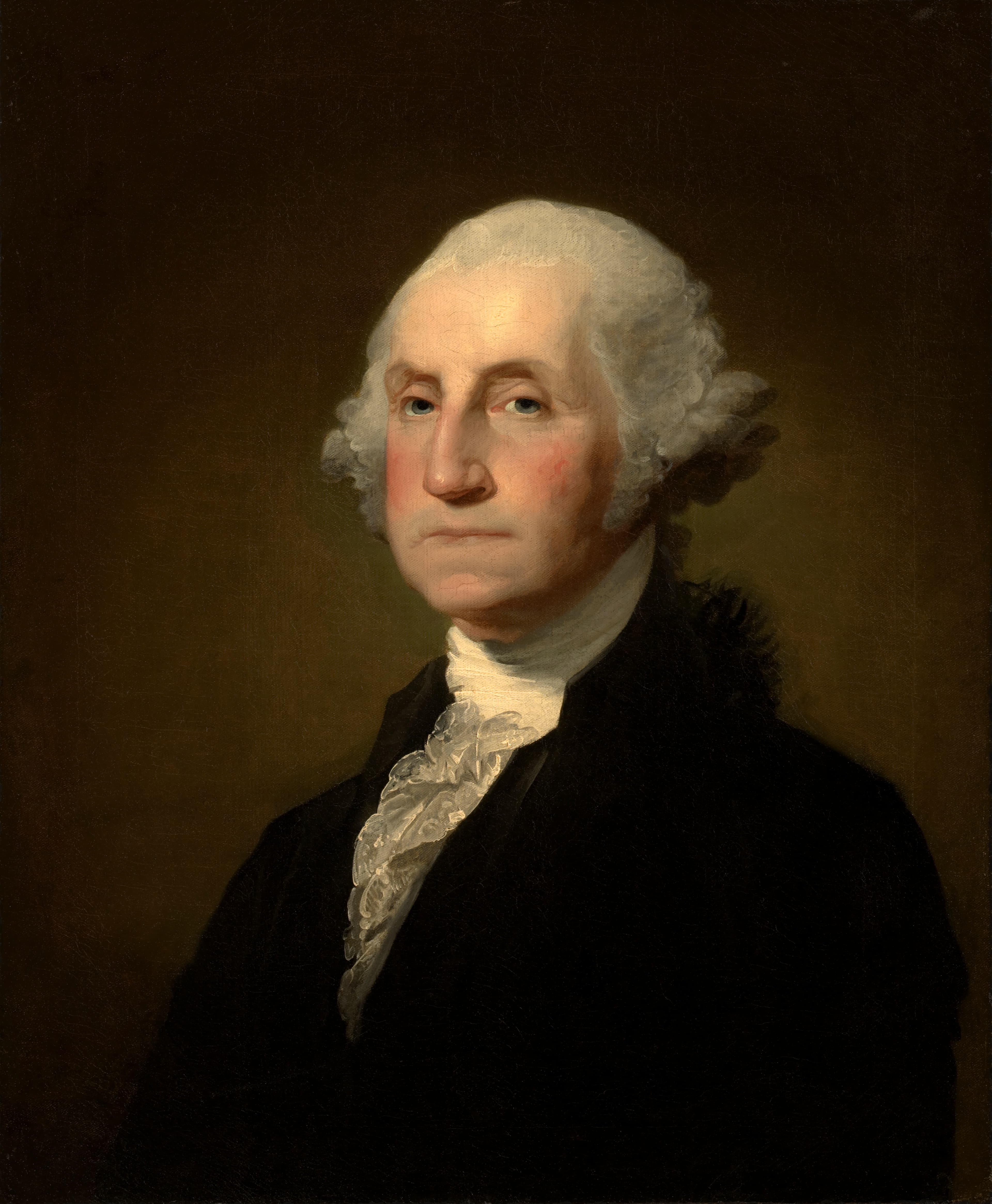
Washington's Revolutionary War is usually told through retreats, crossings, and battles. But one of his most consequential decisions was medical. Smallpox stalked the colonies, and unlike the British army, many American recruits had never been exposed. That meant the Continental Army did not just face an enemy across the field. It carried a large reservoir of susceptibility inside its own camp.
Historical scene
Eighteenth-century Americans outside major port cities often reached adulthood without ever encountering smallpox. The disease could therefore hit new military recruits hard, especially when men were crowded together and moving between regions. Washington understood the danger in a personal way: he had survived smallpox as a young man after a trip to Barbados. By the time he commanded the Continental Army, he knew exactly what an outbreak could do to a force that was already short on discipline, supplies, and trained replacements.
What happened
At first Washington tried to keep the disease out through quarantine and strict vigilance. But smallpox kept threatening the army, and the failed campaign in Quebec had already shown how destructive the infection could be. He eventually authorized a broader inoculation program, using variolation under controlled circumstances so troops would recover before joining active operations. It was not a clean or safe modern vaccination campaign. It was an organized choice to accept short-term illness in order to avoid a larger disaster.
Why it changed infectious diseases
The importance of the story is that it treats infection as a strategic variable, not a background hazard. Washington's decision showed that infectious disease could alter military readiness, campaign timing, and political survival. Long before modern military preventive medicine, he recognized that susceptibility itself was operational weakness. That idea now feels obvious, but it was not obvious in an era when contagion, immunity, and prevention were still medically unsettled and politically controversial.
Why prevention became strategy
That tension never really left. Protect a force too early and you disrupt operations; wait too long and the outbreak sets the timetable for you. Washington's campaign belongs in ID history because it shows prevention operating at the level of strategy, not just bedside care.
References
Smallpox. George Washington's Mount Vernon Digital Encyclopedia.
Fenn EA. Pox Americana: The Great Smallpox Epidemic of 1775-82. Hill and Wang; 2001.
Becker A, Moran M. Smallpox and the American Revolution. J Mil Hist. 2004.