HistorID
The Disease That Changed Its Passport
Syphilis moved through Europe so fast, and with so much fear, that nations started renaming it after one another. The disease kept changing passports because nobody wanted to claim it.
Syphilis exposed how quickly medicine, morality, and xenophobia can merge. Once a disease becomes a story about blame, patients start carrying more than the pathogen.
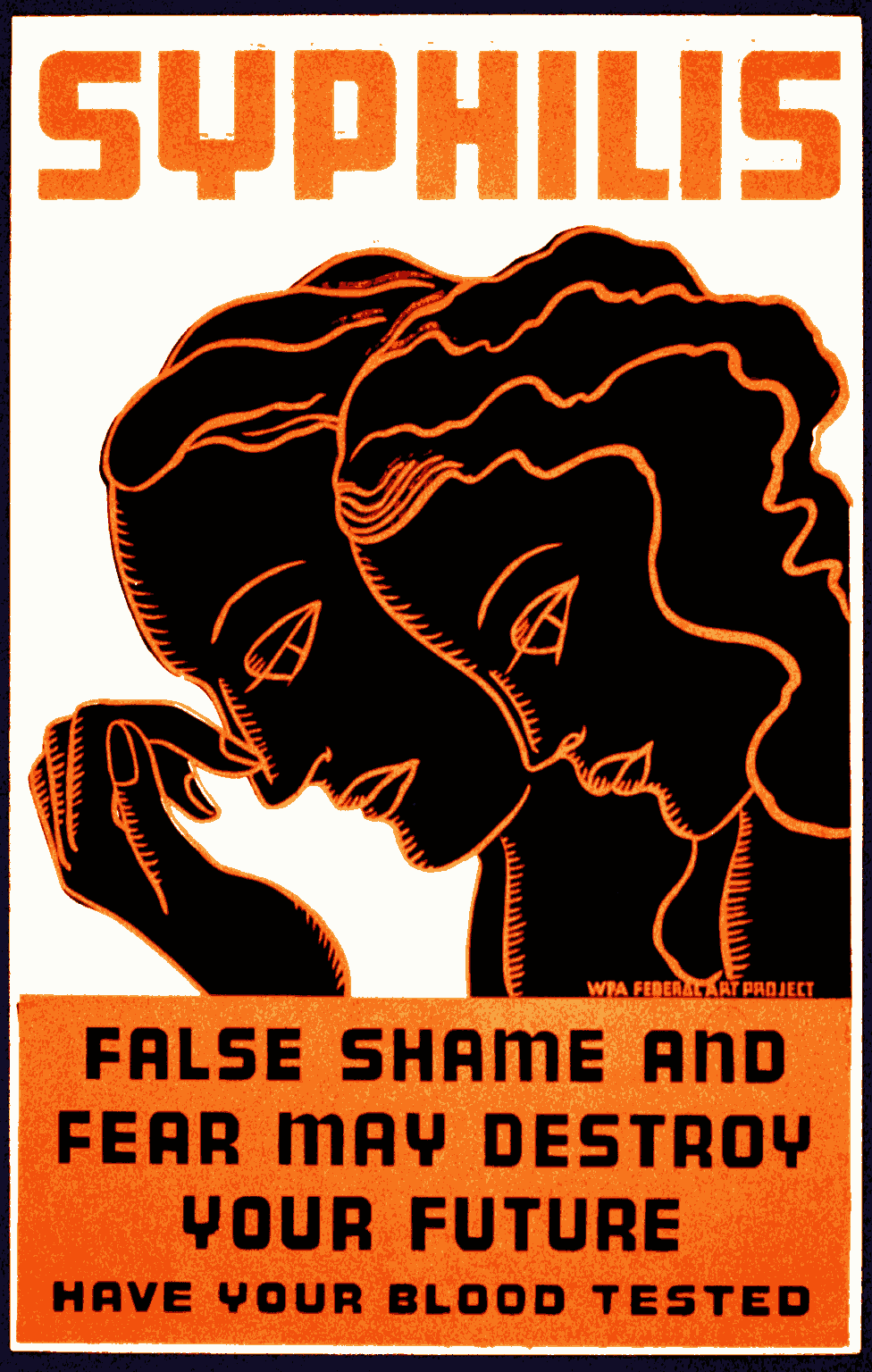
Syphilis is one of the clearest examples of a disease becoming a cultural accusation. The infection itself was real enough, but so was the panic around where it came from and what kind of person was imagined to carry it. That combination made syphilis medically consequential and socially explosive in a way few diseases have matched.
Historical scene
By the late 15th and early 16th centuries, syphilis had acquired a reputation for rapid spread, disfiguring manifestations, and moral contamination. Different populations kept renaming it after one another, usually according to who they disliked or distrusted. In that sense, the disease traveled through language as aggressively as it traveled through bodies. Its history is full of border anxiety, sexual policing, and the attempt to push illness outward onto an enemy.
What happened
Syphilis became embedded in medicine through its staged course, its protean presentations, and the suffering associated with both disease and treatment. Mercury therapy became notorious, not because it was elegant, but because it was miserable. By the time bacteriology and serologic testing improved the picture, syphilis had already spent centuries accumulating metaphors of dirt, secrecy, punishment, and sexual danger.
Why it changed infectious diseases
Syphilis forced medicine to grapple with latency, staged disease, neurologic complication, and the problem of an infection that could imitate many other conditions. It also helped show how a pathogen can become inseparable from moral judgment. That matters in ID history because stigma is not a side effect. It changes who gets examined, who gets tested, who gets believed, and who gets treated late.
Why the naming lesson persists
That warning has not aged out. When disease naming, sexual shame, and public fear fuse together, patients disappear from care and diagnosis gets delayed by stigma. Syphilis history is useful not only for what it says about one spirochete, but for how quickly blame can start masquerading as epidemiology.
References
Quetel C. History of Syphilis. Johns Hopkins University Press; 1990.
Syphilis. Historical overview and public-health source summaries.
Oriel JD. The Scars of Venus: A History of Venereology. Springer; 1994.