HistorID
The Antibiotic That Opened a New Class
By the time linezolid arrived, resistant gram-positive infections had made the antibiotic pipeline feel uncomfortably thin. What made linezolid exciting was not only what it treated, but that it represented a genuinely new class reaching the clinic.
Linezolid reminds us that resistance pressure does not just demand better versions of old drugs. Sometimes it forces medicine to build a new class altogether.
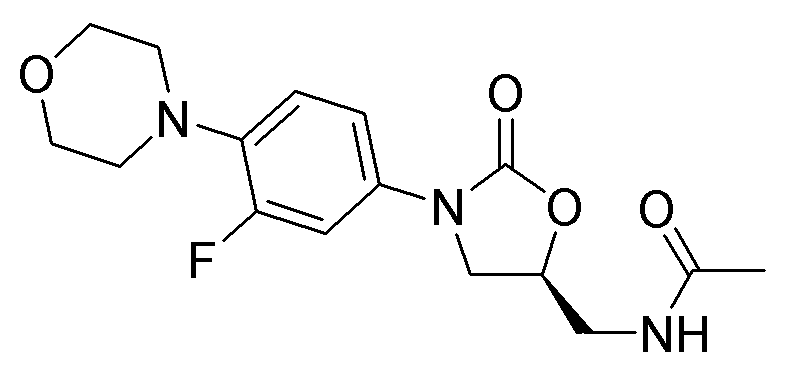
Linezolid belongs to a period when antibiotic history started sounding less triumphant and more defensive. By the late 20th century, resistant gram-positive infections had turned hospital microbiology into a warning system. Methicillin resistance was entrenched, vancomycin-resistant enterococci had become real clinical adversaries, and the field needed more than minor chemical edits to familiar scaffolds.
Historical scene
The oxazolidinones emerged from synthetic medicinal chemistry rather than from the classic soil microbe narrative that gave us so many earlier antibiotics. Early compounds in the class were identified in industrial research, including work at DuPont, which made the discovery story feel different from the start. The excitement around linezolid was not that it was simply newer. It was that a new antibacterial class had survived the long path from concept to patients at a time when the need for fresh mechanisms was becoming painfully obvious.
What happened
After the early oxazolidinone scaffold was recognized and refined through medicinal-chemistry programs, linezolid emerged as the first member of the class to reach patients around 2000. It quickly stood out for activity against difficult gram-positive organisms, including VRE and MRSA. It also brought practical advantages that made clinicians pay attention: reliable oral absorption, intravenous and oral formulations that lined up well, and an option that could change what step-down therapy looked like in serious infections. It was not a miracle drug, but it was a serious answer to a serious resistance era.
Why it changed infectious diseases
Linezolid changed ID history because it made the concept of a new antibacterial class feel real again. That matters whenever the field starts sounding resigned about resistance. It also showed that spectrum, mechanism, route of administration, and stewardship all have to be considered at once. A drug can be historically important not only because it kills bacteria, but because it changes how treatment pathways are designed.
What linezolid left behind
Linezolid reads less like a clean victory than a stress test for modern antibiotic development. New classes arrive with toxicities, stewardship pressures, and the certainty that resistance will start adapting. That is why the drug stays historically important: it marks both the hope of novelty and the narrow margin in which novelty has to be used.
References
Bain KT, Wittbrodt ET. Linezolid for the treatment of resistant gram-positive cocci. Ann Pharmacother. 2001;35(5):566-575.
Brickner SJ, Hutchinson DK, Barbachyn MR, et al. Synthesis and antibacterial activity of U-100592 and U-100766, two oxazolidinone antibacterial agents for the potential treatment of multidrug-resistant gram-positive bacterial infections. J Med Chem. 1996;39(3):673-679.
Gerson SL, Kaplan SL, Bruss JB, et al. Hematologic effects of linezolid: summary of clinical experience. Antimicrob Agents Chemother. 2002;46(8):2723-2726.
Norrby R. Linezolid - a review of the first oxazolidinone. Expert Opin Pharmacother. 2001;2(2):293-302.