HistorID
Pasteur's Rabies Gamble
A 9-year-old boy arrived after a brutal dog attack at a time when rabies was almost a death sentence. Pasteur decided to move before the virus did.
Rabies still teaches one of ID's cleanest lessons: sometimes timing is the treatment, and the whole game is to act before the virus reaches the brain.
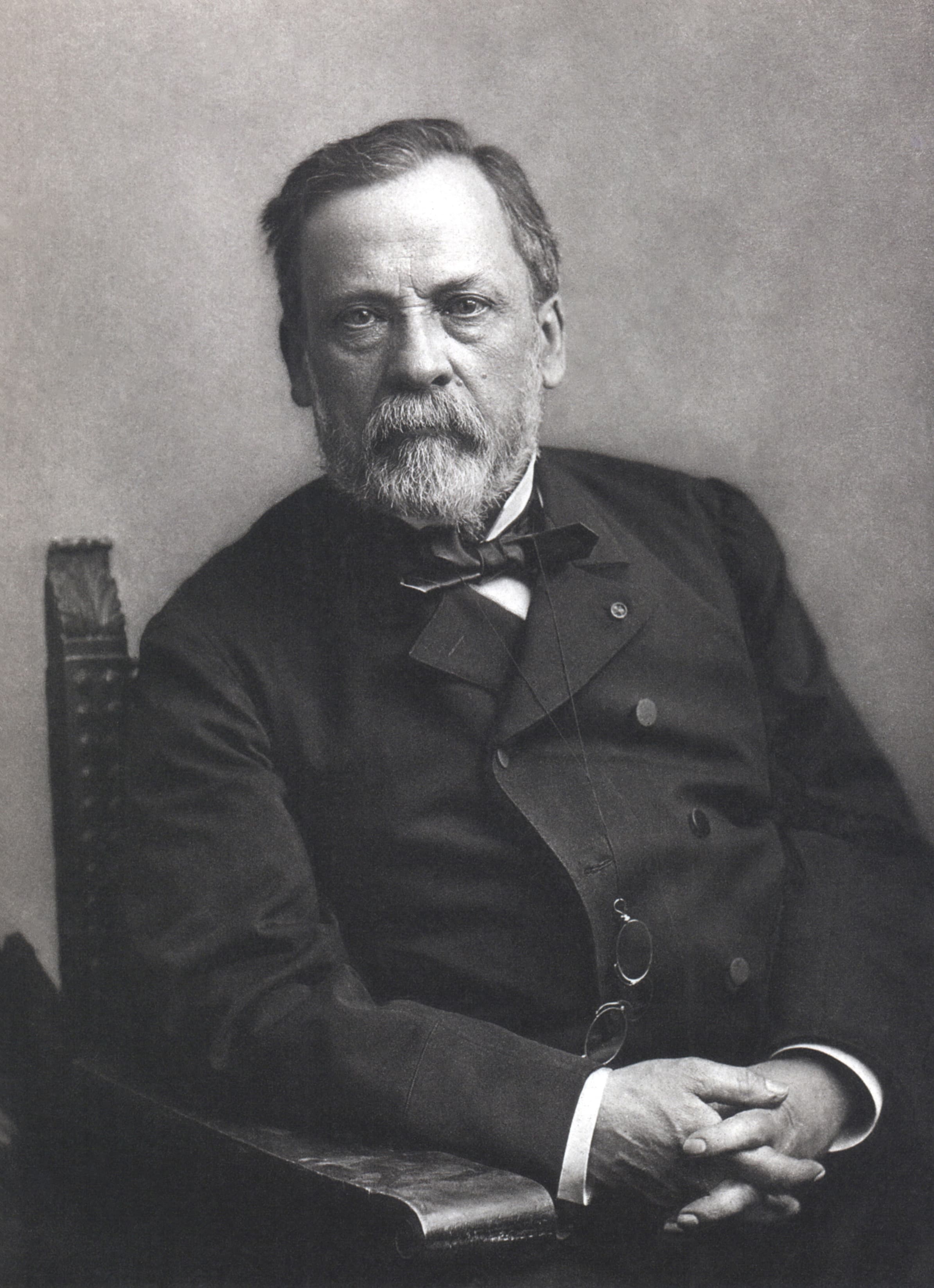
In July 1885, Joseph Meister, 9 years old, was brought to Louis Pasteur after being mauled by a dog thought to have rabies. At that point rabies was not a disease you treated. It was a disease you feared and then watched unfold. Once hydrophobia and neurologic symptoms started, almost nobody survived. Pasteur was not a physician, and what he was about to do was still experimental.
Historical Scene
Pasteur had already shown that weakened microbes could protect animals, but rabies was a different kind of problem. It did not behave like the bacterial infections that had made germ theory feel newly conquerable. It could not be handled on an ordinary culture plate, and it came with a cruel clock: a bite might be followed by days or weeks of apparent calm before the nervous system became involved. That delay created a narrow opening. If immunity could be pushed fast enough, maybe the disease could be stopped before symptoms appeared.
What Happened
Meister received a sequence of inoculations prepared from the spinal cords of infected rabbits, with the least virulent material given first and stronger preparations later. The logic was bold and a little terrifying: teach the body to respond before the virus reached the brain. Meister survived. So did another early patient, Jean-Baptiste Jupille, and the result was hard for the medical world to ignore. Pasteur had not simply treated rabies. He had changed when treatment could begin.
Why It Changed Infectious Diseases
This is why the story belongs in Infectious Diseases history. Pasteur's rabies work helped define post-exposure prophylaxis as a real medical strategy. The key idea was not just vaccination. It was pathogenesis plus timing. If a pathogen moves slowly enough, and if the immune response can be accelerated quickly enough, exposure does not have to mean disease. That logic later shaped how clinicians think about other exposure-driven decisions, from HIV prophylaxis to varicella prevention in high-risk hosts.
Why It Still Matters Now
Modern rabies prophylaxis is safer, standardized, and paired with wound care, vaccine, and often rabies immune globulin, but it still depends on the same race against neuroinvasion. In practice, that means the critical question after a suspected exposure is not whether rabies is bad. Everyone already knows that. The real question is whether there is still time to interrupt the course before symptoms start. Few historical stories make the ID habit of thinking in timelines feel this concrete.
References
Pasteur L. Methode pour prevenir la rage apres morsure. Comptes rendus de l'Academie des sciences. 1885.
Jackson AC. Human rabies: a 2016 update. Curr Infect Dis Rep. 2016;18(11):38.
World Health Organization. Rabies vaccines: WHO position paper. Wkly Epidemiol Rec. 2018;93(16):201-220.