HistorID
It Was Almost Listerella
If you spend enough time in ID, Listeria becomes one of those names that triggers an immediate reflex: pregnancy, neonatal sepsis, meningitis, ampicillin. But the name itself is stranger than it looks. It was almost something else entirely, and the version that survived still carries an old rabbit blood-count clue inside it.
Listeria monocytogenes is a small fossil from two eras of medicine. The name preserved a bedside-lab observation first, picked up Lister's honorific second, and still points toward two modern traps: pregnancy-associated infection and CNS disease that can outrun routine meningitis reflexes.
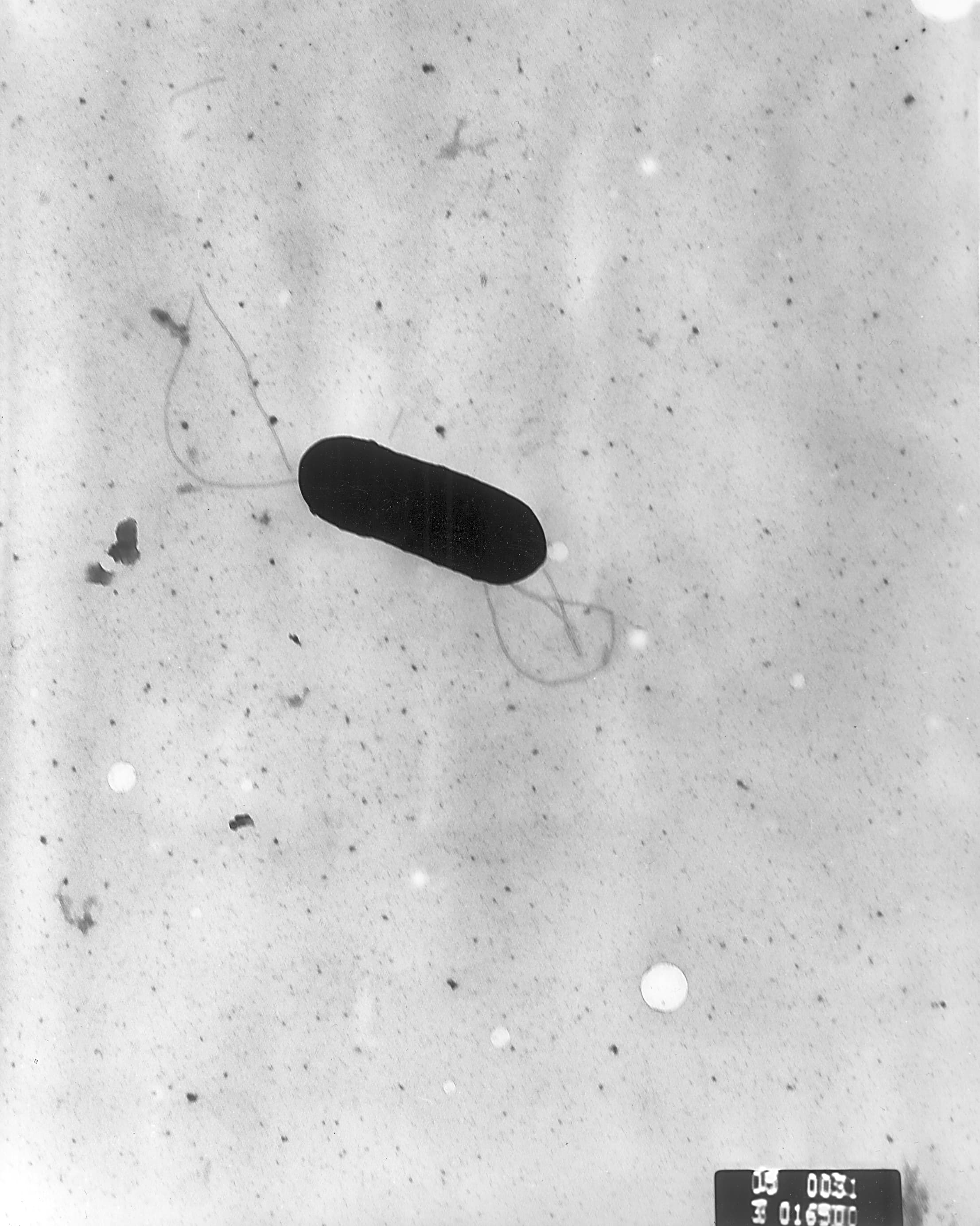
If you hear Listeria monocytogenes on rounds, your mind probably does not go first to taxonomy. It goes to the patient in front of you. The pregnant patient with fever. The newborn with sepsis. The adult with meningitis or those unsettling brainstem findings that do not quite fit the usual script. But the name is worth stopping for, because it came together in a much less tidy way than it sounds now.
Historical scene
Early bacteriology named organisms the way clinicians often named syndromes: by whatever stood out first. A colony's color, a patient's rash, a host animal, a leukocyte pattern, a familiar anatomy lesson, a respected teacher. In the mid-1920s, investigators working with sick rabbits were not thinking about refrigerated deli meat or actin rockets inside host cells. They were looking at a disease that killed laboratory animals and left a memorable hematologic trail.
Why monocytogenes
The oldest surviving half of the name came from the blood. When the organism was formally described as Bacterium monocytogenes, the striking feature was a large monocytosis, or in the older language of the time, a mononuclear leucocytosis. That is what monocytogenes was trying to say. It was not a sleek modern claim about intracellular pathogenesis. It was a name built from what investigators thought the CBC was showing them.
That detail matters because it makes the species name feel much older than the clinical reflexes we attach to it now. Nobody reaches for Listeria in 2026 because they are chasing a clue about monocytosis. The word is a remnant from the first description, left in place after the rest of the taxonomy moved on.
Why it was almost Listerella
The genus name took a different route. In the 1930s, Caspar Burn described human infection due to what he treated as a new pathogen of the genus Listerella, a tribute to Joseph Lister. The choice made sense. Lister's name already stood for antiseptic thinking and for a new way of taking infection seriously in surgery. Attaching his name to a pathogen gave the organism a place in that same medical lineage.
But Listerella had a problem. The name was already occupied elsewhere in biology, so it could not stay. In 1940, J. H. H. Pirie proposed Listeria instead. The honor remained. The extra syllable did not. That is how the organism ended up with the name clinicians still use: Listeria monocytogenes, one part tribute, one part old hematology.
Why the old name still bites now
The name sounds antique, but the organism is not museum material. In pregnancy, Listeria still matters because it can make the mother look only mildly ill while the placenta takes the real hit. A flu-like illness, a fever that could be dismissed, a few gastrointestinal symptoms, maybe nothing dramatic at all, and the payoff can still be fetal loss, preterm delivery, or a newborn with sepsis or meningitis. The organism's modern reputation in obstetric ID comes less from how loud it is in the mother than from how efficiently it can turn placental infection into neonatal catastrophe.
The CNS side is where this organism can really make you pause. Yes, it causes meningitis. But it can also show up as rhombencephalitis, with cranial neuropathies, ataxia, bulbar symptoms, and brainstem lesions that make the case feel neurologically off before the cultures catch up. That, to me, is the reason the naming story still earns its place in ID. Not because the taxonomy is so elegant, but because the bedside reflex still matters. In pregnancy or the early postpartum period, think about the placenta even when the mother does not look dramatically ill. In meningitis plus brainstem signs, think about Listeria. And when you do, remember the part that still changes treatment right away: cephalosporins will miss it.
References
Burn CG. Characteristics of a new species of the genus Listerella obtained from human sources. J Bacteriol. 1935;30(6):573-591.
Burn CG. Clinical and pathological features of an infection caused by a new pathogen of the genus Listerella. Am J Pathol. 1936;12(3):341-348.1.
Gray ML, Killinger AH. Listeria monocytogenes and listeric infections. Bacteriol Rev. 1966;30(2):309-382.
Charlier C, Disson O, Lecuit M. Maternal-neonatal listeriosis. Virulence. 2020;11(1):391-397.
Disson O, Lecuit M. Targeting of the central nervous system by Listeria monocytogenes. Virulence. 2012;3(2):213-221.
Hof H, Nichterlein T, Kretschmar M. Management of listeriosis. Clin Microbiol Rev. 1997;10(2):345-357.