HistorID
Before Cats Got the Blame
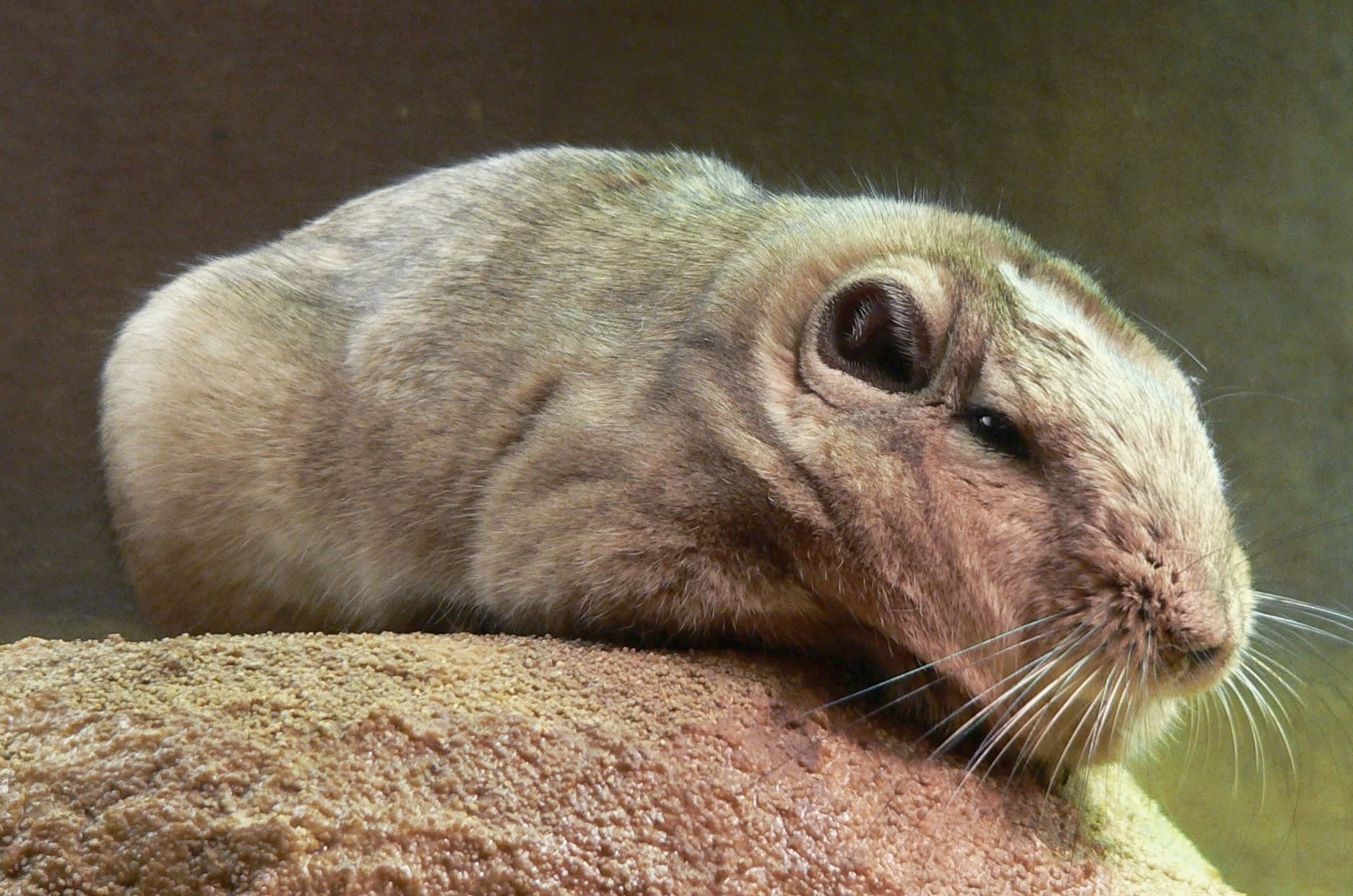
Most people hear toxoplasmosis and think cats. Fair enough. But the parasite was not named for a cat at all. It first drew attention in a small North African rodent called a gundi, and the name still gives that away.
Toxoplasma is a good ID story because nobody got the full answer at once. Scientists saw the parasite first, understood congenital disease later, and only decades afterward figured out why cats sat at the center of the life cycle.
Most people meet toxoplasmosis backward. First comes the warning about cats, undercooked meat, pregnancy, or maybe an HIV board question about brain lesions. The naming story usually gets skipped. That is a shame, because the name is better than the myth. Toxoplasma gondii was not built from litter-box lore. It came from what early investigators saw under the microscope and from the animal that first put the parasite on the map.
Historical scene
In 1908, scientists in North Africa and Brazil were both staring at something odd. In Tunis, Charles Nicolle and Louis Manceaux found a strange protozoan in the tissues of a gundi, a small desert rodent with round ears and a talent for hiding in rock crevices. Around the same time in Brazil, Alfonso Splendore saw a similar organism in rabbits. The parasite entered science from two directions at once. It was not one clean eureka moment. It was one of those ID stories where the pieces show up in different places before anyone knows how they fit together.
What happened
Nicolle and Manceaux named the organism in 1909. Toxoplasma came from the bow-like curve of the parasite's shape. gondii came from the gundi. Once you know that, the name stops sounding forbidding and starts sounding surprisingly literal.
The funny part, looking back, is who was still offstage. Cats now dominate the public imagination around toxoplasmosis, but they were not the naming scene. Early on, the parasite was more of a zoologic and microscopic puzzle than a settled human pathogen. The full life cycle stayed murky for decades.
Why it changed infectious diseases
Toxoplasma is a good ID story because nobody got the whole picture at once. The parasite was discovered in 1908 and named in 1909, but its clinical importance took time to come into focus. In 1939, it was identified in a congenitally infected infant, which changed how physicians looked at it. In 1948, the Sabin-Feldman dye test showed just how common infection really was. Then in 1970, cats were recognized as the definitive host, and the oocyst stage finally made its global reach easier to explain.
That sequence is worth remembering. Shape first. Host name next. Congenital disease after that. Serology later. Cats later still. Discovery in ID often comes that way, one useful fragment at a time.
Why it still matters now
Toxoplasma still lives in the gap between what people think they know and what actually matters. Yes, cats are part of the story, but they are not the whole story. So are undercooked meat, contaminated soil, unwashed produce, and timing during pregnancy. In most healthy people, infection passes quietly. In a fetus, the eye and brain can carry the consequences for years. In someone with a weak immune system, the parasite can come roaring back in the CNS. The practical lesson is not to fear cats in some vague way. It is to understand the life cycle well enough to know who is really at risk, when the risk is highest, and why a parasite first noticed in a gundi still shows up on rounds more than a century later.
References
Ferguson DJP. Toxoplasma gondii: 1908-2008, homage to Nicolle, Manceaux and Splendore. Mem Inst Oswaldo Cruz. 2009;104(2):133-148.
Dubey JP. The history of Toxoplasma gondii, the first 100 years. J Eukaryot Microbiol. 2008;55(6):467-475.
Dubey JP. History of the discovery of the life cycle of Toxoplasma gondii. Int J Parasitol. 2009;39(8):877-882.
Innes EA. A brief history and overview of Toxoplasma gondii. Zoonoses Public Health. 2010;57(1):1-7.
Wiktionary. Toxoplasma. Entry tracing the name to Greek toxon and plasma, referring to the bow-shaped form.
Centers for Disease Control and Prevention. About toxoplasmosis. Updated 2025.