Bloody Diarrhea without a Clear Cause
Clinical Vignette
A 36-year-old man with relapsing-remitting multiple sclerosis and psoriasis presents with intermittent constipation alternating with diarrhea and rectal bleeding for 10 days.
Two months prior to presentation, he was treated with a 14-day course of amoxicillin–clavulanate for presumed bacterial sinusitis. He denies sick contacts, consumption of undercooked food, or known inflammatory bowel disease.
He was born in Guatemala and currently lives in the United States. He reports recent travel to Puerto Rico within the past three months. He is sexually active with both men and women and takes daily HIV pre-exposure prophylaxis with tenofovir alafenamide/emtricitabine (TAF/FTC). He has no history of HIV infection.
On presentation, he is afebrile with a heart rate of 102 beats per minute and a blood pressure of 124/67 mm Hg. Rectal examination does not reveal gross blood. Stool testing for common bacterial pathogens, Clostridioides difficile toxin/antigen, and fecal inflammatory markers is unrevealing. HIV testing is negative.
Because symptoms persist, a colonoscopy is performed. The colonic mucosa appears grossly normal throughout. Random biopsies are obtained to evaluate for microscopic colitis. Histopathology reveals a basophilic “blue fringe” along the surface epithelium on hematoxylin and eosin staining, and a Warthin–Starry silver stain highlights spirochetes lining the colonic surface.
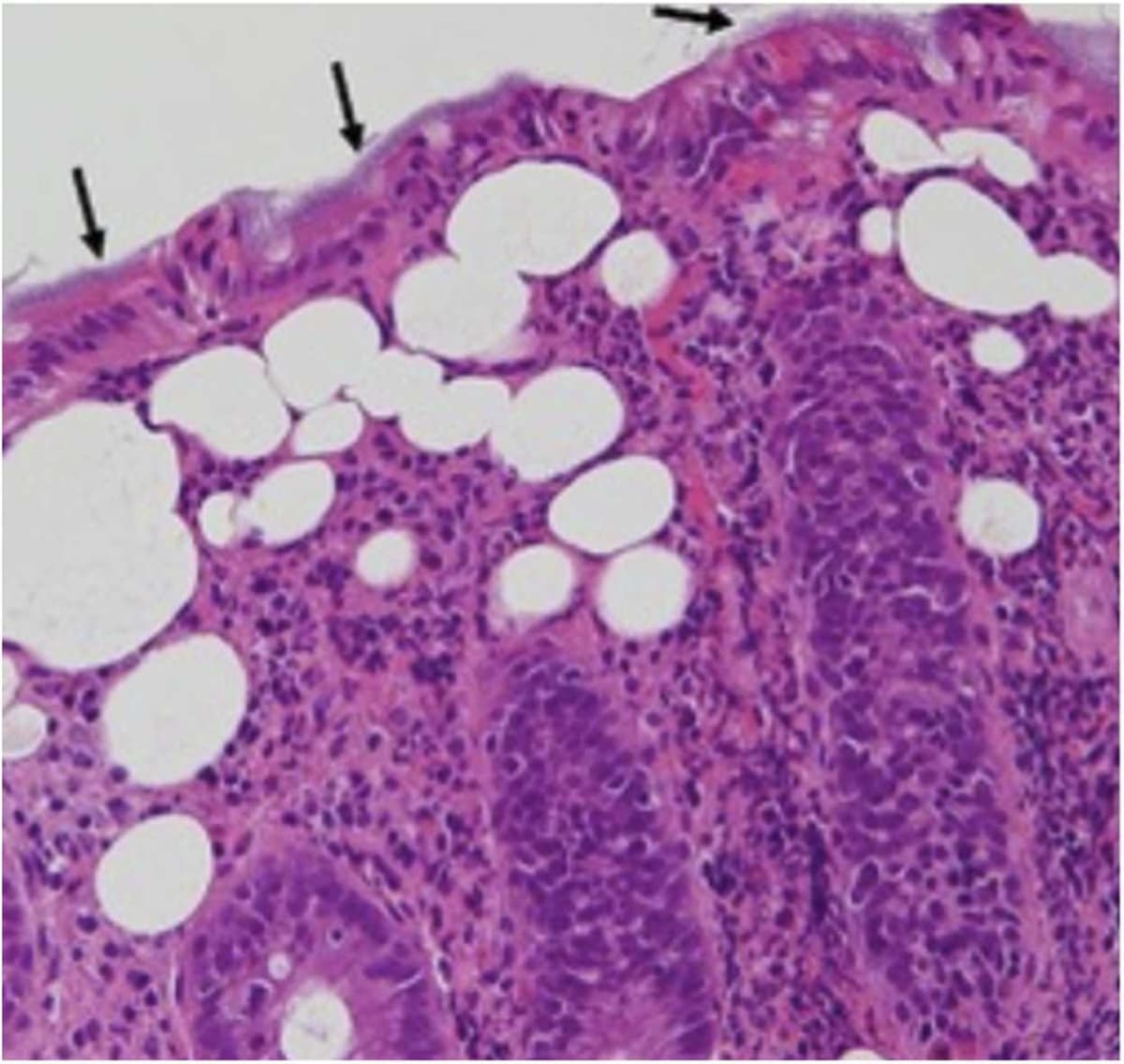
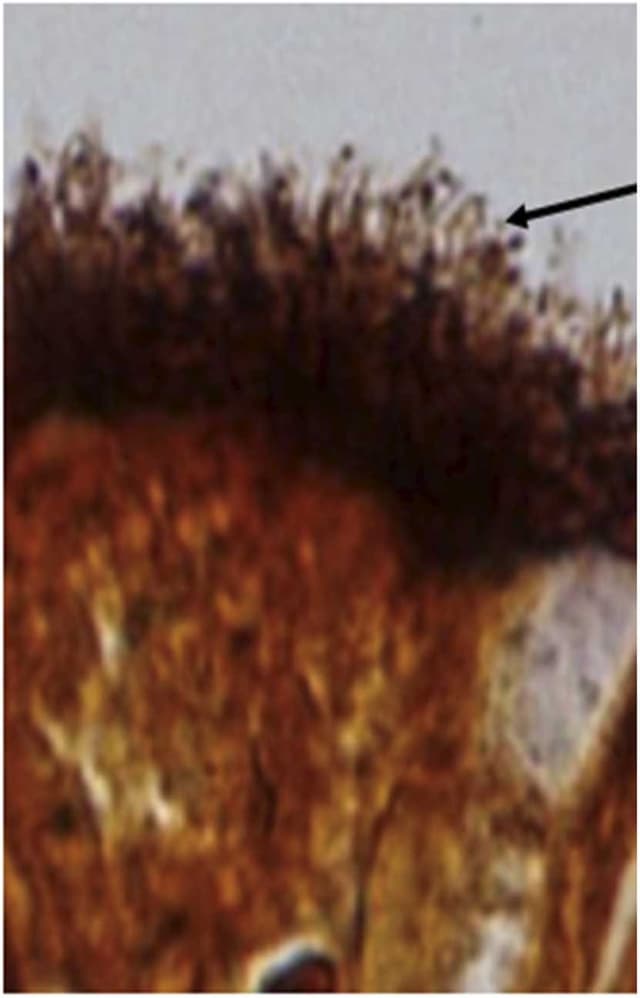
H&E stain (left) demonstrates a basophilic “blue fringe” of spirochetes along the colonic epithelium. Silver stain (right) highlights spirochetes lining the mucosal surface.
Source: https://www.sciencedirect.com/science/article/pii/S2949918625001536
Question
What is the most likely diagnosis?
Select one answer to view the rationale and peer response data.
Rationale locked
Answer the question above to reveal the rationale.
Question 2
Which treatment is most commonly recommended for symptomatic intestinal spirochetosis?
Select one answer to view the rationale and peer response data.
Rationale locked
Answer the question above to reveal the rationale.
References
Singh B, Visser J, Bai S, Ethakota J, Grover P, Kaur G, Jafri S-M. Intestinal spirochetosis. Medical Reports. 2025;13:100308.